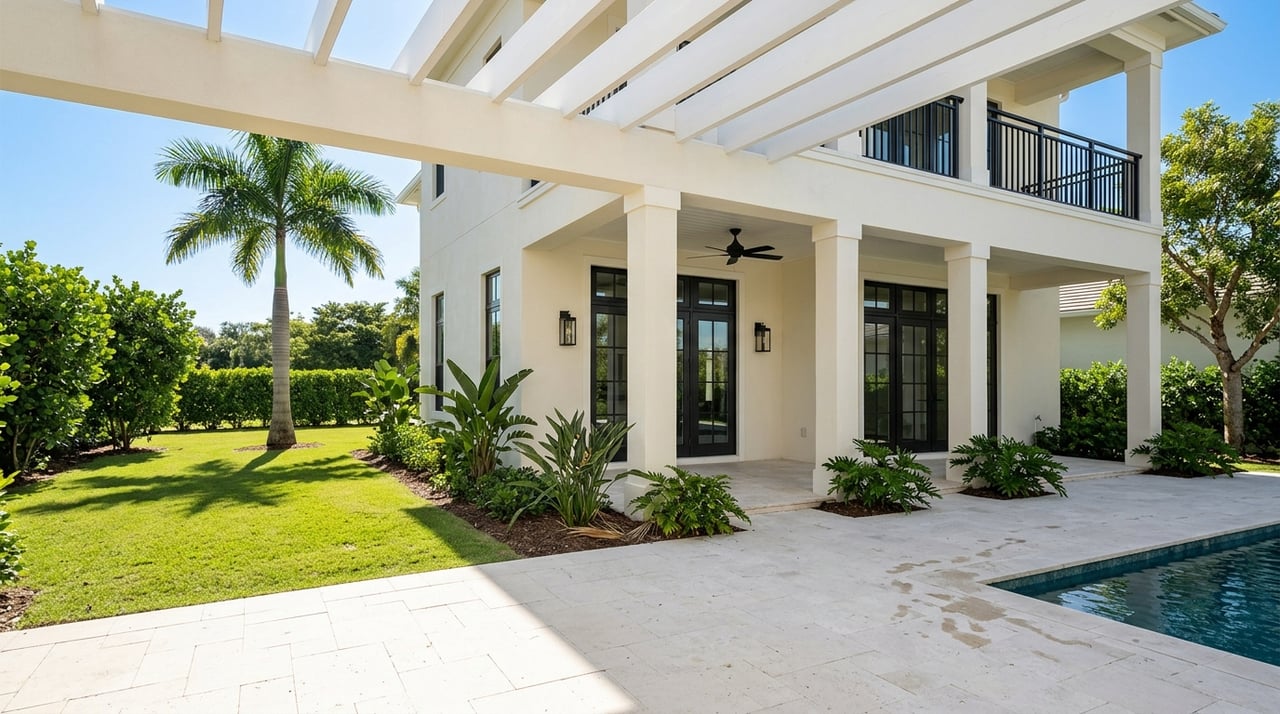
If you are planning a luxury home in Miami, the lot you choose can shape everything that follows. A beautiful address is only part of the equation. In this market, heat, flood risk, access, lot rules, and neighborhood context all play a major role in how your home lives and performs over time. This guide will help you compare Miami’s main luxury site types and narrow your search with a builder’s eye. Let’s dive in.
What Matters Most in Miami Site Selection
In Miami-Dade, luxury site selection is about more than buying the largest or most expensive parcel. The county notes that the area is especially susceptible to flooding from major rain events and storm surge, and its flood criteria now consider future sea-level scenarios through 2040, 2060, 2080, and 2100. You can review those factors through the county’s flood zone resources and water control and flood criteria information.
Heat also matters more than many buyers expect. Miami-Dade treats May 1 through October 31 as heat season, which makes shade, orientation, and outdoor comfort practical design concerns from the start. A lot that supports mature trees, covered outdoor rooms, and reduced afternoon sun exposure can have a meaningful impact on long-term livability.
Prioritize Orientation and Shade
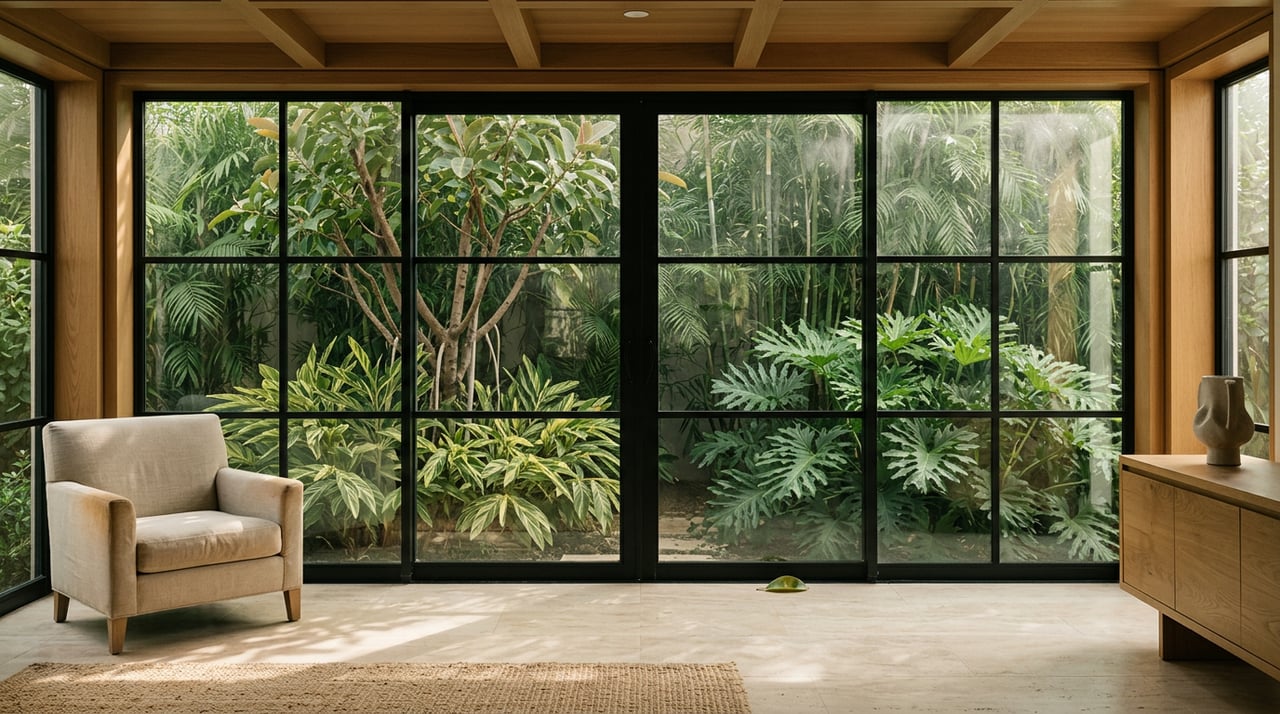
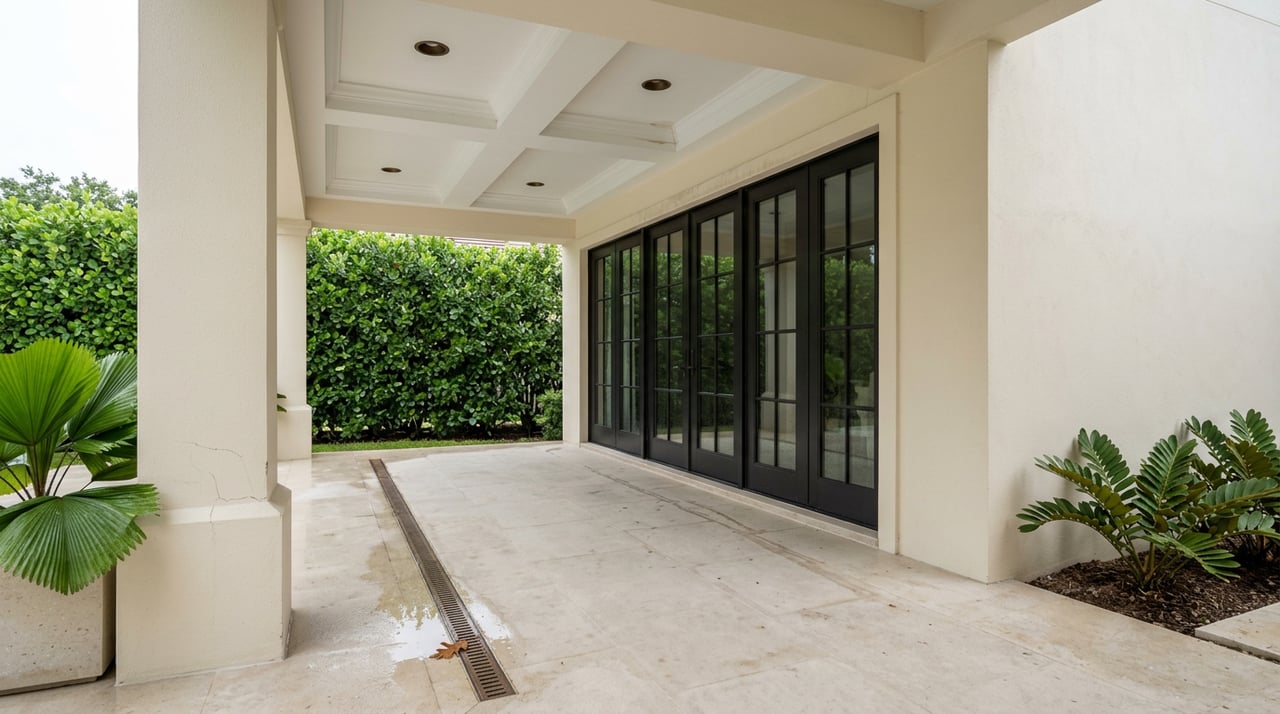
In a warm, humid climate, the way your home sits on the lot affects daily comfort. If a site allows you to preserve trees, create shaded terraces, and limit harsh western sun, you have more flexibility to design outdoor living areas that feel usable for more of the year.
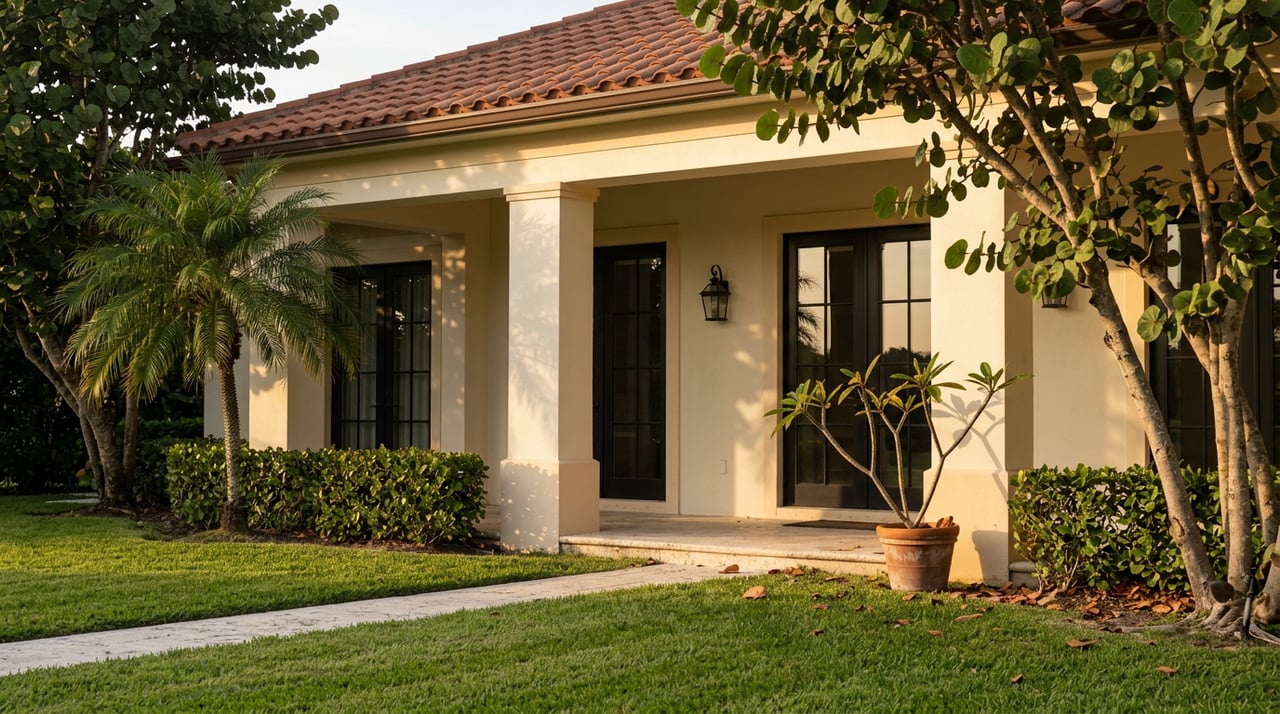
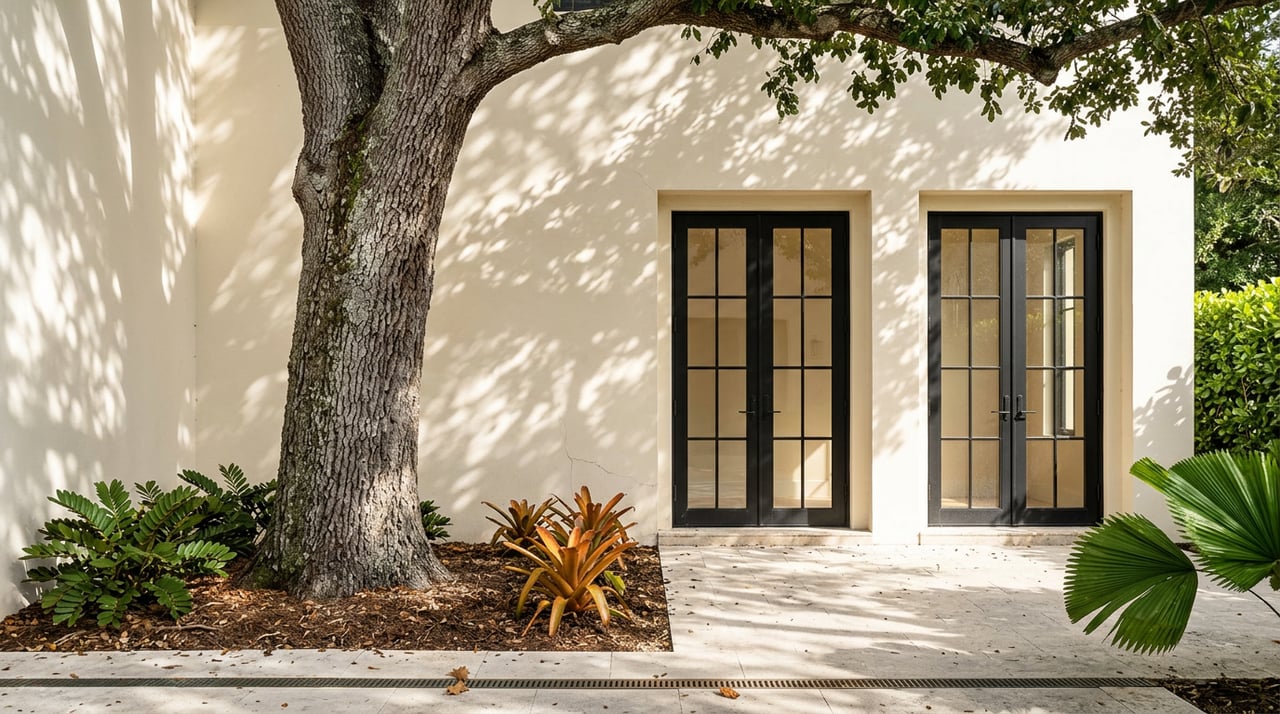
That is especially relevant in communities with strong tree-canopy character. Coral Gables reports more than 41% tree coverage, and both Pinecrest and Miami Beach emphasize tree planting and shade-oriented projects. For a custom home, those site conditions can influence where you place the pool, summer kitchen, covered loggia, and major glazing.
Understand Lot Geometry Early
Two lots with the same asking price can offer very different building potential. In Miami, lot width, area, frontage, setbacks, and coverage are shaped by local code, and some areas have additional overlays that affect what can actually be built.
Coconut Grove is a prime example. The area’s conservation rules protect canopy, scale, and neighborhood character, and demolition review can require tree surveys and buildable-footprint diagrams under Miami’s zoning and overlay framework. That means the best lot is not always the one that looks largest on paper. It is the one that aligns with your program, design goals, and approval path.
Factor in Daily and Emergency Access
Access can change how convenient a home feels year-round. It can also shape your planning during severe weather or peak travel times.
For example, Key Biscayne depends on the Rickenbacker Causeway as its only ingress and egress route, according to village planning documents. Miami Beach is in a storm-surge evacuation zone, while Brickell and Downtown Miami offer stronger mobility connections through amenity-rich urban infrastructure, including Downtown’s circulator service. If your priorities include easy access to dining, cultural venues, or work hubs, that difference matters.
Best Miami Areas for Luxury Home Building
The right area depends on how you want to live. Some locations favor larger lots and landscape privacy, while others offer boating access, walkable amenities, or a more urban, low-maintenance setup.
Coconut Grove for Green, Layered Sites
Coconut Grove stands out for buyers who want a lush setting with strong landscape character. The City of Miami describes it as one of the city’s first neighborhoods, known for heavily landscaped green areas, public open space, recreational opportunities, proximity to Biscayne Bay, historic resources, and a range of property sizes.
For a custom luxury home, the appeal is often in the site texture itself. Mature canopy, varied lot conditions, and proximity to the village center and Dinner Key marina can create a strong indoor-outdoor lifestyle. At the same time, conservation rules may shape tree preservation, scale, and footprint, so due diligence is essential before you commit.
Coral Gables for Tree-Lined Elegance
Coral Gables offers a more formal residential setting with strong downtown access. The city combines a tree-rich fabric with a walkable core, and Miracle Mile adds dining, shopping, entertainment, boutiques, and outdoor cafés.
From a site-planning perspective, Coral Gables is attractive if you want a refined, established setting that still supports a substantial custom home. The city has also developed elevation maps and a vulnerability assessment related to sea-level rise, king tides, and storm surge. For buyers weighing design quality and long-term practicality, that local planning context is useful.
Pinecrest for Estate-Scale Living
If you want more land and a quieter estate-lot feel, Pinecrest is one of the clearest options. The village’s official zoning map includes residential estate categories at one unit per gross acre and one unit per 2.5 gross acres.
Pinecrest also emphasizes landscape character. The village notes that it is a Tree City USA community and has planted more than 10,000 street trees since 1997, while Pinecrest Gardens adds a 14-acre botanical and cultural destination. If your vision includes a long driveway, layered landscaping, detached guest elements, or more expansive outdoor zones, Pinecrest deserves serious consideration.
Key Biscayne for Island Living
Key Biscayne offers a distinctive barrier-island setting between Bill Baggs Cape Florida State Park and Crandon Park, bordered by the Atlantic Ocean and Biscayne Bay. For buyers focused on a coastal lifestyle, it has clear appeal.
That said, the village also identifies flooding, coastal erosion, traffic congestion, and street-safety challenges, and it relies on the Rickenbacker Causeway as its only access route. Its strong parks and recreation network adds value, but island convenience and island vulnerability come as a package. If you are considering Key Biscayne, access and resilience planning should be part of your decision before design begins.
Miami Beach for Oceanfront Access
Miami Beach is hard to match if your goal is direct connection to the oceanfront lifestyle. The city’s Beachwalk stretches roughly nine miles from South Pointe Park to 87 Street, with public amenities along the route.
It also carries the strongest coastal-risk profile in this group. Miami Beach states that it sits in a storm-surge evacuation zone and has no hurricane shelters on the island. The city’s 2025 sea-level-rise strategy also says more than 67,000 assets are vulnerable to flooding. If you are drawn to a waterfront or near-water parcel here, site-specific due diligence is critical.
Brickell and Downtown for Amenity Density
Brickell and Downtown Miami are a different type of luxury proposition. Here, the value is less about large private grounds and more about density of amenities, mobility, and access to culture, offices, retail, and waterfront destinations.
The Miami Downtown Development of Regional Impact spans 927 acres and includes Brickell, the Central Business District, and the Arts + Entertainment District. If your ideal property is tied to a low-maintenance lifestyle with immediate access to restaurants, museums, and transit connections, this area can be a strong fit.
How to Match the Lot to Your Lifestyle
A good Miami homesite should support both your architecture and your daily routine. Before you buy, it helps to define the experience you want the property to deliver.
If you want larger grounds, traditional outdoor space, and stronger landscape privacy, Coconut Grove and Pinecrest generally offer the best fit. Coral Gables can also work well if you want a more formal residential setting with easy access to a downtown core.
If boating or water orientation is central to your vision, Coconut Grove, Key Biscayne, and Miami Beach are the most obvious options. They also come with the greatest tradeoffs related to flood exposure, storm surge, and evacuation realities.
If you prefer an amenity-rich, lower-maintenance lifestyle, Brickell, Downtown Miami, and parts of Miami Beach may align better with your priorities. In those settings, convenience, mobility, and public-realm access often outweigh yard size.
Due Diligence Before You Buy
Before you move forward on a luxury lot, confirm the site’s flood zone status. Miami-Dade says property owners can use county flood maps or the hotline, and it notes that elevation certificates are required for new construction and substantial improvements. The county also states that flood insurance is required for federally backed mortgages in a Special Flood Hazard Area.
Next, confirm whether the site is subject to additional flood-protection standards. The county’s updated criteria use future sea-level-rise scenarios and set minimum finished-grade elevation standards for developed sites. Those requirements can affect design, site work, budget, and schedule.
You should also verify whether the property falls within a conservation, historic, or tree-protection overlay. This is especially important in areas like Coconut Grove, where tree canopy and scale protections can directly affect your buildable footprint.
For coastal and island lots, include evacuation and access in your analysis from day one. That is not just an emergency-planning issue. It is part of how the site functions for you, your guests, and your project team over time.
Why Builder Input Matters Early
Luxury homes in Miami rarely succeed by treating the lot as a blank canvas. The best projects start with disciplined pre-construction planning that tests the site against code, elevation, access, drainage, landscape constraints, and the realities of construction sequencing.
When you evaluate a lot with a builder early, you can better understand what the property will truly support. That includes the relationship between your architectural brief and the buildable envelope, the likely site-work complexity, and the practical implications of tree preservation, finished-floor elevation, and neighborhood-specific review.
That early clarity can save time, reduce redesign, and help protect both design intent and budget. For estate-scale and architecturally ambitious homes, site selection is the first major building decision you make.
If you are evaluating where to build your next Miami luxury home, Jomed Construction can help you assess a property with the same care we bring to pre-construction planning, construction management, and design-sensitive custom residential work across South Florida.
FAQs
What should you check before buying a luxury lot in Miami?
- You should confirm flood zone status, elevation requirements, possible flood-insurance implications, access conditions, and any conservation, historic, or tree-protection overlays before purchase.
Which Miami areas are best for larger luxury home lots?
- Coconut Grove and Pinecrest generally offer the strongest options for larger lots and more traditional outdoor space, while Coral Gables offers a formal, tree-lined setting with strong access to downtown amenities.
Which Miami locations are best for waterfront or boating access?
- Coconut Grove, Key Biscayne, and Miami Beach are the most water-oriented options, but they also require closer review of flood exposure, storm surge risk, and evacuation access.
Why does lot orientation matter for a Miami custom home?
- In Miami’s heat and humidity, orientation can affect afternoon sun exposure, shade potential, outdoor comfort, and how well your home supports year-round indoor-outdoor living.
Which Miami luxury sites need the most due diligence?
- Low-lying coastal lots and island lots typically need the most careful review because flood zone status, finished-grade requirements, insurance needs, and access conditions can all affect the project.