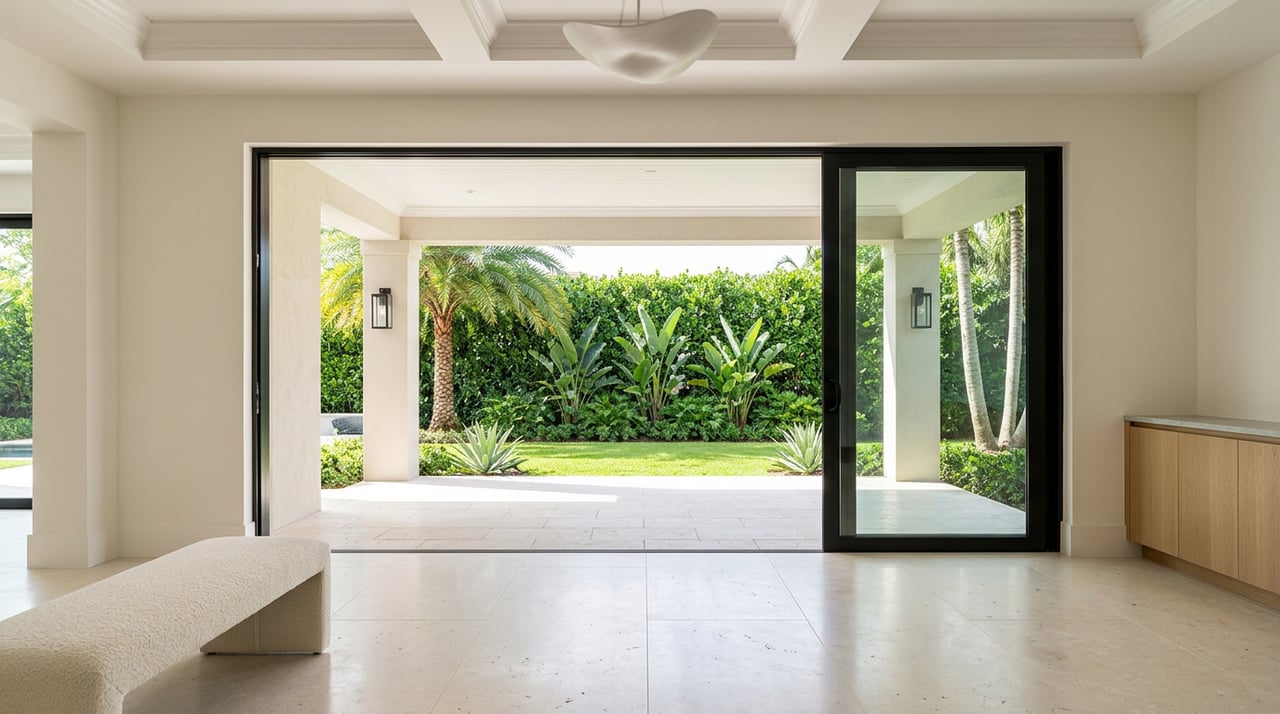
If you own a legacy Miami property, the question can feel enormous: should you honor the bones and renovate, or clear the site and build the estate you really want? You are not alone in weighing design freedom, flood resilience, permits, and cost. This guide gives you a clear framework tailored to Miami and Miami Beach estates so you can move forward with confidence. You will learn what the code expects, how flood rules shape your options, realistic budgets and timelines, and the smart steps to take next. Let’s dive in.
Start with the big decision
When to renovate
Renovation often makes sense when the structure is sound and your goals focus on interior reconfiguration or targeted additions. If the foundation is stable, and flood or elevation rules do not force major structural changes, a renovation can save time and money while preserving embodied value. City guidance confirms that many owner choices hinge on scope and code triggers, so verify early with local officials and your design team. See the City of Miami’s permitting FAQ for how scope drives reviews and timing. Refer to the City of Miami building FAQs for permitting context.
When to rebuild
A teardown and new build may be the right call when the existing home cannot be elevated or wind‑hardened to current standards, or when the layout cannot meet your program without extreme compromises. The Florida Building Code 8th Edition (2023) sets today’s structural, wind, and flood benchmarks, which can be hard to achieve in older homes without extensive work. Rebuilding gives you near‑total design control, including new foundations, hurricane glazing, and modern systems. Learn what the current code requires on the Florida Building Code page.
Permits and Miami rules
Florida Building Code 2023
The Florida Building Code 8th Edition (2023) governs permitted work statewide. For coastal or estate‑scale projects, higher wind loads, impact requirements, roof‑to‑wall connections, and energy measures can add scope to even a “simple” remodel. Plan to meet today’s standards for all permitted work. Review state code requirements at the Florida Building Code site.
City and county review timelines
Miami‑area municipalities use electronic plan review portals. The City of Miami and Miami Beach have processes that can expedite some homeowner work, while coastal, variance, or historic reviews add time. Before you set a schedule, confirm whether your property sits in the City of Miami, Miami Beach, or unincorporated Miami‑Dade, since each agency manages permits differently. See the City of Miami building FAQs for how reviews work.
Historic status and demolition
Florida’s Resiliency and Safe Structures Act (section 553.8991) preempts many local limits on demolishing certain coastal, nonconforming, or unsafe structures so owners can build safer, replacement buildings in hazard zones. There are exceptions, including properties individually listed in the National Register. Municipal historic review boards still apply where the statute exempts them. Confirm your property’s status early. Read the statute text on the Florida Senate site.
Waterfront and coastal permits
Waterfront estates often face additional layers: Coastal Construction Control Line (FDEP), dock or bulkhead approvals, and local environmental reviews. These can add months to the timeline and require specialized consultants, such as marine engineers and surveyors. Miami‑Dade’s Department of Environmental Resources Management outlines options and timelines for core environmental reviews. See the county’s guidance on expedited core environmental review.
Flood, elevation, and resilience
Check your flood zone first
Your FEMA flood designation shapes both design and insurance. Pull your property’s panel and any Letters of Map Change at the FEMA Flood Map Service Center. The flood zone and base flood elevation determine how high new or substantially improved structures must be built and what mitigation methods apply. Start here so you can budget for elevation, foundations, drainage, and utility placement. Explore the FEMA Flood Map Service Center.
Plan for sea level rise
Regional planners recommend using the Southeast Florida Compact’s Unified Sea Level Rise Projection. The 2019 update projects roughly 10 to 17 inches by 2040 and 21 to 54 inches by 2070 across scenario bands. For estate owners, this supports investing in higher finished‑floor elevations, flood vents, resilient materials, and backup power during a rebuild or major renovation. Review the projection in the Compact’s guidance report.
How codes can shift a remodel
Meeting the current Florida Building Code and FEMA rules can turn a modest remodel into a structural project if elevation or wind resistance upgrades are required. In some cases, once you touch key systems, you must bring related elements to current standards. That is why an early structural survey and elevation analysis are essential. For code context, see the Florida Building Code overview.
Costs, timelines, and financing
Typical cost ranges
In Miami’s luxury market, high‑end custom new construction commonly ranges from roughly 400 to 1,000+ dollars per square foot for finished construction, with higher costs for complex waterfront foundations, large glazing systems, imported finishes, and advanced mechanicals. Treat this as planning guidance, not a quote. For a market overview, see industry context on Miami luxury build costs.
Whole‑house renovations often price below new builds per square foot. That said, once you add structural elevation, full system replacement, or complex foundation work, a renovation can approach new‑build costs. National Cost vs. Value research also shows targeted exterior and system upgrades often recoup a higher share of cost than full gut luxury remodels. Explore these benchmarks in the Cost vs. Value report.
Timeline snapshots
- Major renovation with structural work but preserving core structure: plan 2 to 4 months for design, 1 to 3 months for permits, and 6 to 12+ months for construction depending on complexity and access. See permit context in the City of Miami FAQs.
- Teardown and custom new build: plan 3 to 6 months for design, 1 to 4+ months for permits, and 12 to 24+ months for construction. Waterfront foundations, seawalls, and marine permits can extend schedules.
How to finance the work
- Renovation loans: Fannie Mae’s HomeStyle Renovation lets you roll improvements into a purchase or refinance, but it does not finance a full teardown and rebuild. Read program details on the HomeStyle Renovation page.
- Construction‑to‑permanent loans: Common for full new builds. Lenders underwrite to the as‑completed value, fund work through draws, and convert to a permanent mortgage after completion. Expect requirements for a licensed GC, detailed budgets, and contingency reserves.
- Cash‑out refi or HELOC: Often used for moderate renovations when owners want to avoid construction mortgages, though large structural scope may require more specialized financing.
Insurance and operating costs
Flood and wind insurance are major factors in Miami. Elevating the structure above base flood elevation and adding storm‑rated glazing or resilient finishes can improve insurability and may reduce premiums. Always request quotes for both the as‑is and as‑proposed scenarios so you can compare lifetime operating costs. Use the FEMA Flood Map Service Center to understand how elevation affects rating.
Long‑term value and resale
A well‑executed rebuild can deliver a more marketable, higher‑performing estate with a layout and resilience that align with modern expectations. That premium only makes sense if the lot and neighborhood support the final value; use completed new builds nearby as benchmarks and avoid over‑capitalization. Many owners see strong value by prioritizing targeted, high‑impact renovations that improve curb appeal, kitchens, baths, and storm resilience. The Cost vs. Value report is a helpful reference when you plan with resale in mind.
Resilience is a selling point across Greater Miami. Buyers respond to elevation strategies, impact glazing, drainage planning, and backup power. The City’s broader resilience planning underscores why. For context on local resilience priorities, review Miami’s Resilient Water and Energy Plan.
Your step‑by‑step checklist
- Run quick property checks.
- Pull your FEMA flood map panel and note flood zone and base flood elevation. Use the FEMA Flood Map Service Center.
- Search your city or county portal for permit history and any open violations. The City of Miami building FAQs explain where to look.
- Commission three early reports.
- Structural engineer condition survey of foundation, framing, and wind‑load adequacy.
- Geotechnical and drainage review; add seawall assessment for waterfront lots.
- Elevation survey and, if available, an Elevation Certificate to inform design and insurance.
- Confirm zoning and entitlements.
- Verify setbacks, height, FAR, and any overlays or conservation districts that affect massing.
- Check historic status and demolition rules.
- Confirm if your home is in a historic district or individually listed. Review Florida’s demolition statute for coastal hazard zones on the Florida Senate site.
- Order a paid options study.
- Ask an architect or design‑build team to compare: targeted renovation, large addition with partial upgrades, and full teardown with new build. Include high‑level costs, schedules, and projected square footage. Use conservative contingencies for coastal work.
- Align financing and tax planning.
- Speak with a construction lender and your tax advisor about financing structure and likely reassessment after completion. Review renovation‑loan fit using HomeStyle Renovation.
- Add waterfront specialists early if applicable.
- A marine permitting consultant can help sequence CCCL, USACE, FDEP, and DERM reviews. Miami‑Dade outlines expedited core environmental review options.
Partnering with a builder early
Bringing your builder in during pre‑construction protects your budget and schedule. You get real‑time pricing, permit sequencing, and buildability feedback before drawings lock in. For estate‑scale projects in Miami and Miami Beach, that collaboration is the difference between a smooth process and cascading delays.
If you are exploring a major renovation, a large addition, or a ground‑up estate, connect with a partner who can translate an ambitious brief into a precise, resilient build. Request a Project Consultation with Jomed Construction to review your site, align on scope, and map the most efficient path from concept to completion.
FAQs
What should Miami estate owners check first when deciding to renovate or rebuild?
- Start with your FEMA flood zone and base flood elevation, permit history, and a structural condition survey. Use the FEMA Flood Map Service Center and the City of Miami building FAQs for initial research.
How does the Florida Building Code affect older Miami homes?
- The 2023 Florida Building Code requires today’s wind, impact, flood, and energy standards for permitted work, which can trigger structural and system upgrades in older homes. See the state code overview.
What extra permits do waterfront Miami estates need?
- Waterfront projects may need CCCL reviews, dock or bulkhead approvals, and local environmental permits, which add time and consultant scope. Miami‑Dade explains options in its expedited core environmental review notice.
Will rebuilding lower my flood insurance costs in Miami?
- Rebuilding can help if you elevate above base flood elevation and add recognized mitigation measures, but premiums depend on rating rules and market conditions. Confirm quotes for both scenarios after checking the FEMA MSC.
Which financing options support Miami renovations and rebuilds?
- Renovation loans like Fannie Mae’s HomeStyle can fund broad improvements but not a full teardown, while construction‑to‑permanent loans are common for new builds. Review HomeStyle Renovation for program details.