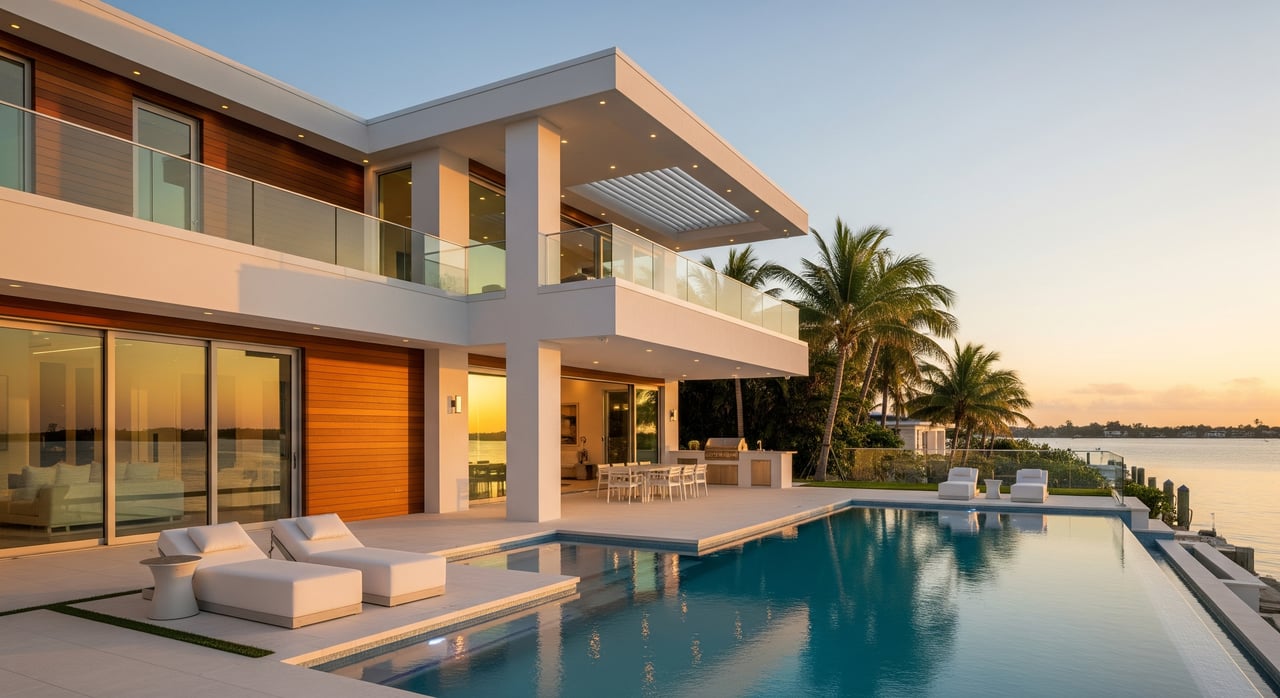
Thinking about a custom second home in Miami? You are not alone. The city’s energy, waterfront living, and global access make it a natural choice for a part‑time base or a new primary residence. The key is to plan for Miami’s unique codes, climate, and permitting so your project runs smoothly. In this guide, you will learn what matters most, how to manage decisions from out of state, and how to choose the right team to deliver a resilient, design‑forward home. Let’s dive in.
Build smart in Miami: what to know
Climate and risk shape design
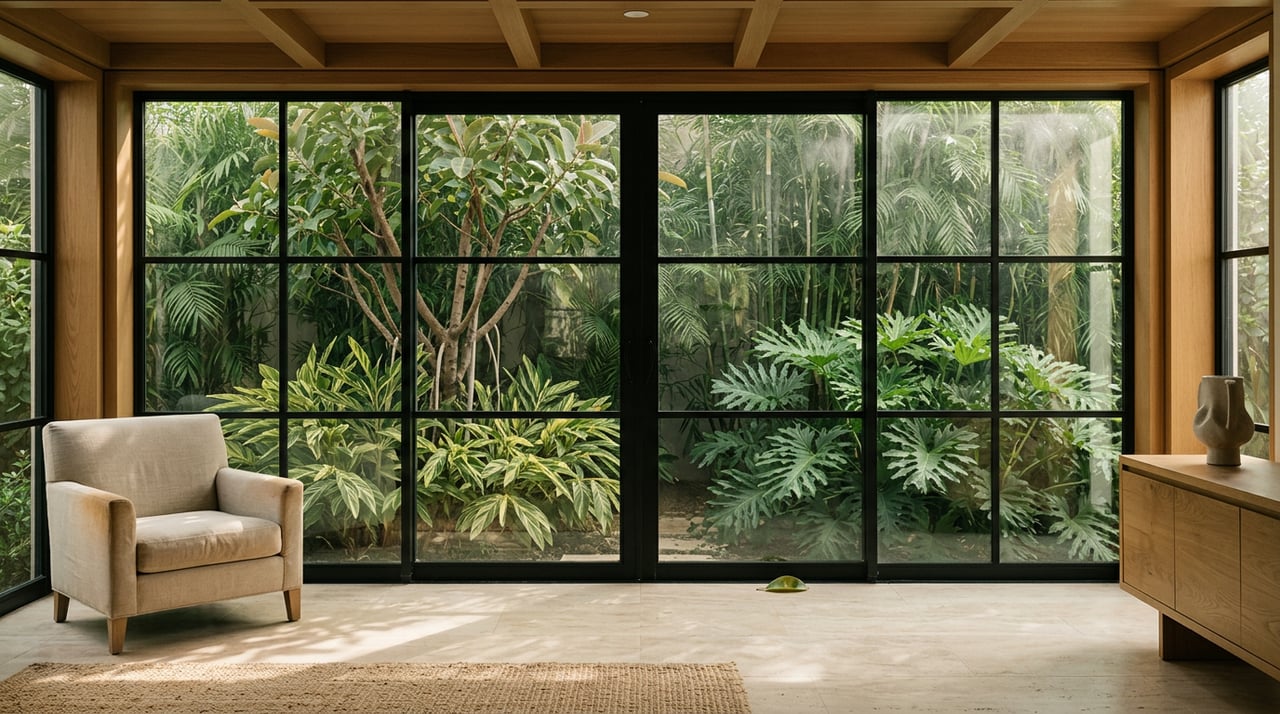
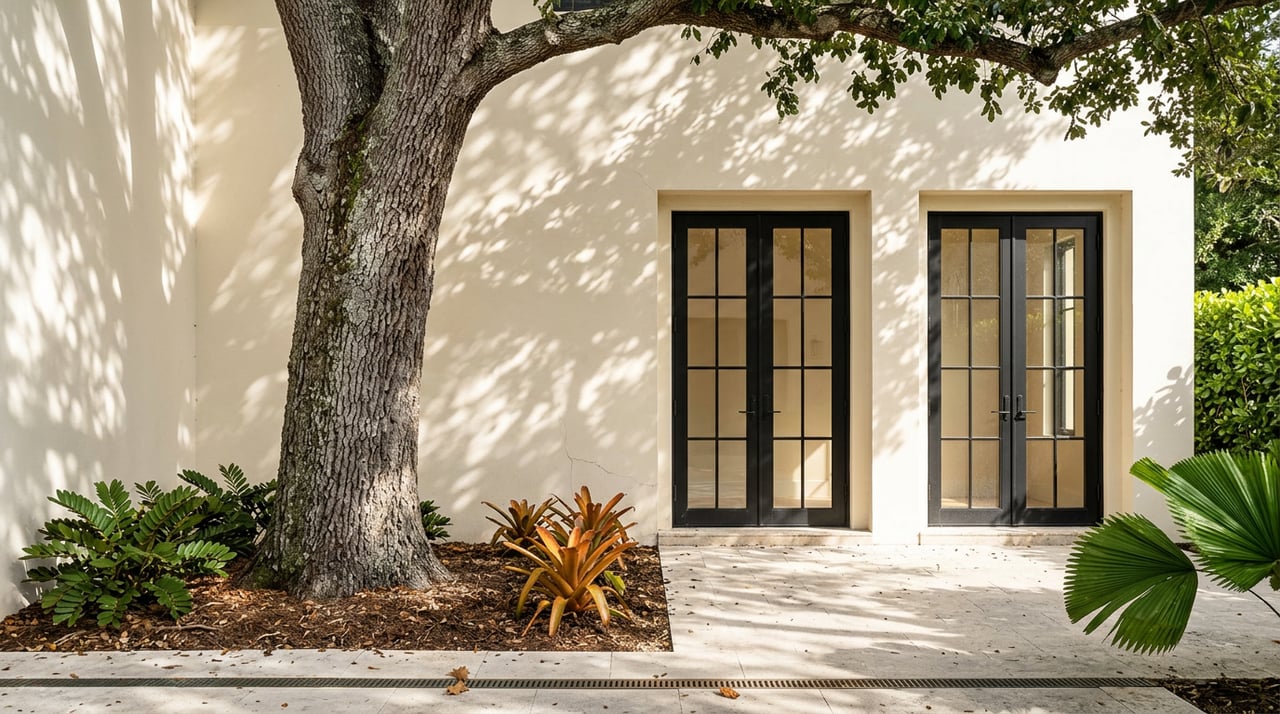
Miami‑Dade County sits in a high wind region. The Florida Building Code and local Miami‑Dade requirements expect impact‑rated windows and doors, reinforced roof systems, and specific product approvals for exterior components. You and your design team should align early on compliant assemblies and reference the current Florida Building Code during design.
Much of Miami lies within FEMA Special Flood Hazard Areas. Flood zones and base flood elevations influence your foundation strategy, finished floor elevations, and where to place critical systems. Start by confirming your site’s flood zone and BFE with the FEMA Flood Map Service Center.
Plan for long‑term sea‑level rise in addition to today’s floodplain. Tools like the NOAA Sea Level Rise and Coastal Flooding Viewer help you consider future risk so you can elevate equipment and set finishes for durability over decades.
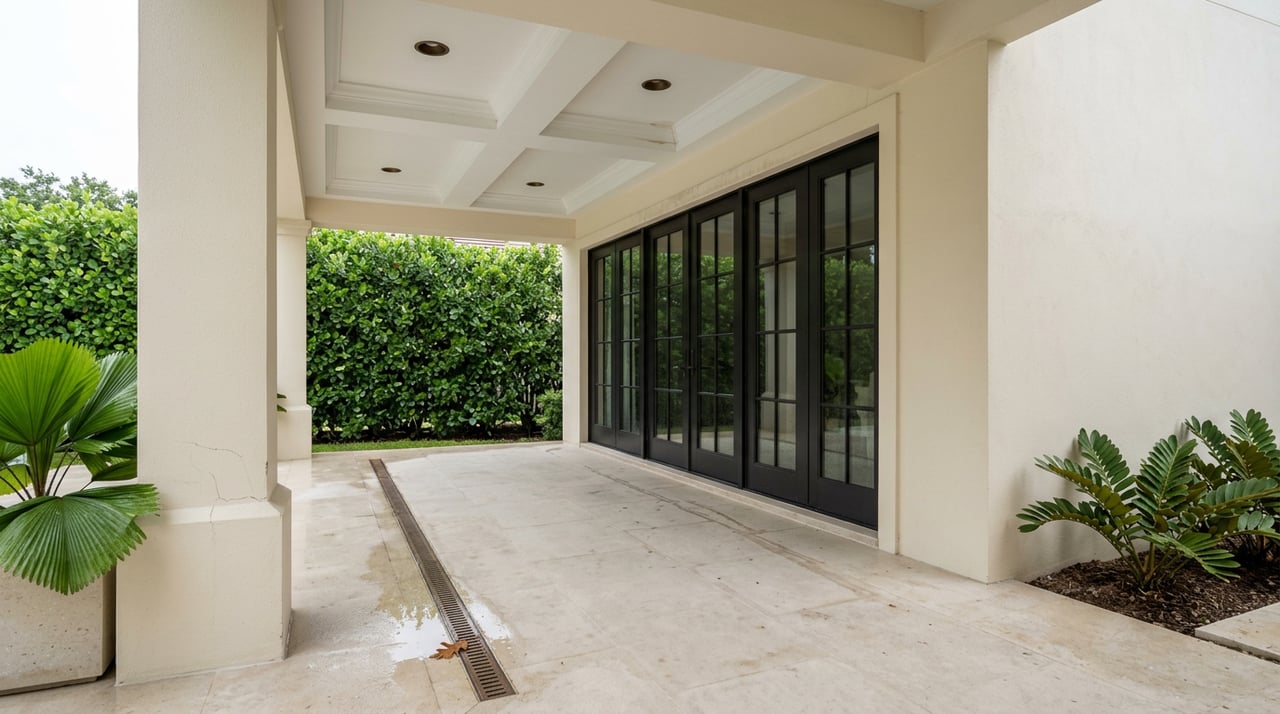
Hurricane season runs from June 1 to November 30. That period can introduce schedule risk, insurance needs, and material lead‑times. High humidity and coastal salt exposure also affect material selection and maintenance. Expect your builder to recommend corrosion‑resistant hardware and robust waterproofing details.
Insurance affects monthly costs
You will likely need flood insurance and windstorm coverage. Premiums tie to your site’s elevation and the home’s wind mitigation features such as impact openings and reinforced roofs. Some owners obtain coverage through the NFIP or private markets. For an overview of flood insurance, see FEMA’s flood insurance guidance. Your lender may also require builder’s risk insurance during construction.
Permits and approvals: set expectations early
Miami projects move through multiple agencies. The Florida Building Code governs statewide, and Miami‑Dade County enforces additional product approvals and inspections. If your site is in the City of Miami, you will also coordinate with its building department. Review submittal requirements and timelines at the Miami‑Dade County Permitting portal and the City of Miami Building and Permitting page.
Environmental and coastal rules can add steps. Items like coastal construction lines, seagrass or mangrove protections, and stormwater requirements may require specialized studies and approvals. Many neighborhoods and gated communities also have design review boards and HOA standards. Factor those review cycles into your schedule before you finalize the design.
Plan your project from anywhere
Due diligence fast‑track
Start with a clear picture of site conditions to avoid costly surprises:
- Boundary and topographic surveys, plus a tree and vegetation survey.
- FEMA flood zone determination and BFE confirmation.
- Geotechnical and soil testing to inform foundation type and elevations.
- Utility capacity, water and sewer availability, or septic requirements.
- Title review, easements, and any deed restrictions.
- Environmental constraints such as coastal permits or possible seawall work.
These tasks help you validate feasibility and influence the architecture. If variances or special exceptions are needed, build in several months for hearings and approvals.
Remote design and decision workflows
Define the program early: bedroom count, staff and guest spaces, secure service entries, and key amenities. Lock in permit‑critical decisions first: footprint and elevations, structural system, enclosure performance, and preliminary MEP routing. Defer FF&E finish selections to a later procurement schedule so permitting is not delayed.
Use virtual tools to stay close to the project from anywhere. Drone video, 3D scans, and shared cloud platforms make reviews and signoffs efficient. Set a clear approval cadence with your team so selections are turned around within 48 to 72 hours when needed. Assign one person on your side to authorize changes to prevent confusion.
Budget, financing, and procurement
Custom home costs in Miami vary by design complexity and finish level. Establish a hard‑cost budget with a 10 to 20 percent contingency for a custom build, plus soft costs such as design, permits, and inspections. If you plan to finance, expect lender draw inspections and insurance requirements like builder’s risk. International buyers should confirm lending and title details early.
Identify long‑lead items at the start. Impact windows and doors, custom millwork, imported stone, elevators, pools, and landscape hardscape often carry 12 to 24 week lead times. Decide which items your general contractor will procure and which your designer or you will manage. If you are curating art or specialty pieces, plan for customs, secure storage, and white‑glove installation near project closeout.
Choose the right Miami GC
What to look for
- Proven experience with Miami‑Dade permitting, inspections, and coastal work.
- A disciplined remote‑client workflow with regular photo and video updates.
- Comprehensive services: permitting coordination, procurement, subcontractor vetting, quality control, and warranty.
- Financial stability, relevant insurance, and a verifiable luxury portfolio.
- Comfort with HOA and gated community logistics and high‑finish standards.
Verify licensing and insurance
Check that your contractor holds the appropriate classification and is registered to operate in Miami‑Dade. Use the Florida Department of Business and Professional Regulation’s resources for contractor licensing. Confirm general liability, workers’ compensation, and builder’s risk details, and request certificates of insurance with appropriate endorsements. Specialty trades like elevators, pools, and seawalls should have the required licenses.
Structure the contract to prevent surprises
Many HNW owners prefer a guaranteed maximum price with clear allowances. Whichever structure you use, define scope, allowances, contingency, change order procedures, schedule, insurance, indemnity, retention, and warranty. Include remote approval windows and require cost and schedule impact summaries for each proposed change.
Demand strong project management
Ask for a single point of contact on the contractor’s side and consider an owner’s representative if you want added oversight. Schedule third‑party inspections for major milestones and require digital reporting. Include commissioning for mechanical and electrical systems, and ensure all as‑builts, manuals, and warranties are delivered electronically at closeout.
Understand timelines and inspections
Permitting timelines vary widely. Straightforward residential permits can be approved in weeks, while complex coastal approvals or variances can add months. Miami‑Dade requires staged inspections and a Certificate of Occupancy or Temporary CO before move‑in. Review current requirements with the county at the Miami‑Dade permitting portal.
Temporary living and FF&E logistics
If you are relocating during construction, consider furnished corporate apartments, serviced residences, or luxury rentals. Short‑term leases are often 30 to 90 days. For longer builds, a 6 to 12 month corporate lease or a small transitional property may fit. Choose a location near the jobsite so walkthroughs are easy, and plan for any security or staffing needs.
For FF&E, order early for final punchlist items. Use a customs broker for international purchases through the Port of Miami and arrange climate‑controlled storage for early arrivals. Coordinate white‑glove delivery, elevator scheduling, protective floor coverings, and any permits for cranes or street closures. Add temporary site security and off‑site monitoring for high‑value deliveries.
Representative timeline
Every site and design are different, but a typical estate‑scale custom home in Miami often follows this arc:
- Site acquisition and due diligence: 4 to 10 weeks.
- Schematic design to permit‑ready set: 12 to 24 weeks.
- Permitting and approvals: 8 to 26 weeks, depending on scope and coastal reviews.
- Contractor selection and preconstruction: 4 to 12 weeks.
- Construction through finishes: 9 to 18 months or more based on complexity and weather.
- FF&E procurement and installation: 8 to 24 weeks, overlapping late construction.
- Move‑in and commissioning: 2 to 6 weeks.
Build your plan with schedule risk in mind, especially around hurricane season and supply chains.
How Jomed Construction helps you succeed
If you want a high‑craft, design‑sensitive home with minimal friction, your team matters as much as your plans. Jomed Construction brings a family legacy dating to the 1970s, deep Miami permitting know‑how, and a construction‑manager mindset to every project. You get disciplined pre‑construction planning, transparent monthly reporting, and schedule control supported by a trusted network of specialty trades.
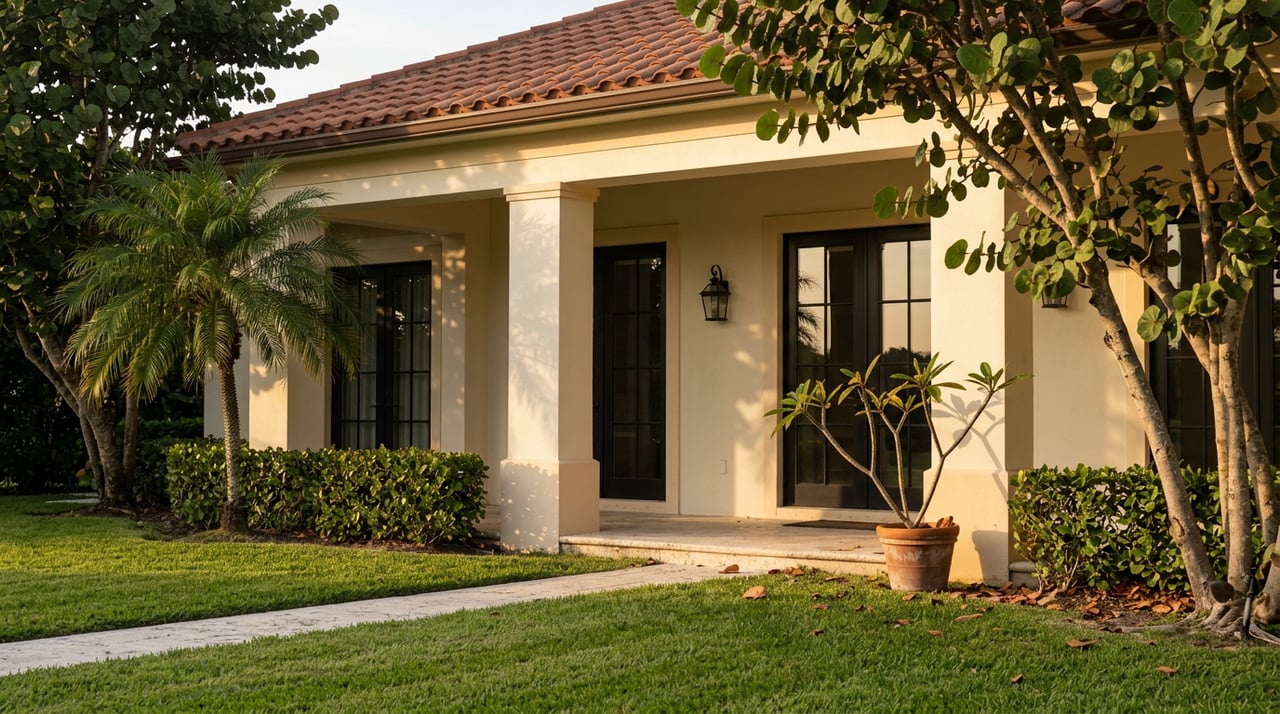
For waterfront and complex sites, our team is comfortable with coastal foundations, elevation strategies, and the luxury finish standards that define Miami’s best estates. We collaborate seamlessly with architects and designers, align early on permit‑critical decisions, and structure procurement to secure long‑lead items without slowing approvals.
Ready to explore your Miami custom home or second residence with a proven local partner? Start a conversation with Jomed Construction. We will meet you where you are, organize the path forward, and steward your investment from first survey to the final walk‑through.
Helpful local resources
- Florida Building Code: confirm wind and impact requirements with the Florida Building Code.
- Miami‑Dade permitting: review submittals, product approvals, and inspections through Miami‑Dade County Permitting.
- City of Miami permitting: see building and zoning processes at the City of Miami Building and Permitting page.
- Flood risk and elevation: map your site at the FEMA Flood Map Service Center and explore long‑term risk in the NOAA Sea Level Rise Viewer.
- Hurricane readiness: plan seasonal contingencies with the Florida Division of Emergency Management.
- Flood insurance: review coverage basics at FEMA’s flood insurance guidance.
FAQs
How do Miami’s wind and impact rules affect design?
- Miami‑Dade enforces the Florida Building Code with local product approvals. Expect impact‑rated openings, reinforced roof systems, and specified hardware that influence structure and aesthetics.
What should I check before I buy a lot in Miami?
- Confirm flood zone and BFE, complete surveys and geotechnical testing, review utilities and environmental constraints, and understand HOA or design review timelines before you close.
How can I manage a Miami build from out of state?
- Use a clear decision calendar, cloud collaboration, 3D scans and drone video, and a single project manager. Set 48 to 72 hour approval windows for selections.
How long does permitting usually take in Miami?
- It varies. Simple residential permits can be approved in weeks, while coastal reviews or variances can add months. Build permitting time into your design schedule.
What insurance do I need during and after construction?
- During construction: builder’s risk plus contractor liability and workers’ comp. Afterward: flood and windstorm coverage as appropriate. Lenders may set specific requirements.