What actually moves the needle on value in a Miami luxury home? If you are planning a high-end build or considering strategic upgrades before listing, the choices can feel endless. In Miami-Dade, the features that win are equal parts lifestyle and resilience. In this guide, you’ll learn which specifications command premiums, smart ways to phase your budget, typical cost ranges, and the Miami-specific details that keep your project on track. Let’s dive in.
What Miami buyers prioritize
Miami luxury buyers look for outdoor living that works year-round, strong storm and flood resilience, and lifestyle amenities that make hosting and wellness easy. Salt air, humidity, and coastal exposure also influence material choices and maintenance expectations. All of this means value is created where design, durability, and convenience meet.
Post-pandemic preferences still matter. Private gyms, spa elements, flexible offices, and integrated tech remain high on the wish list. In Miami, those needs combine with backup power and EV charging as owners plan for outages and electrified transportation.
High-impact features that add value
Outdoor rooms that live like interiors
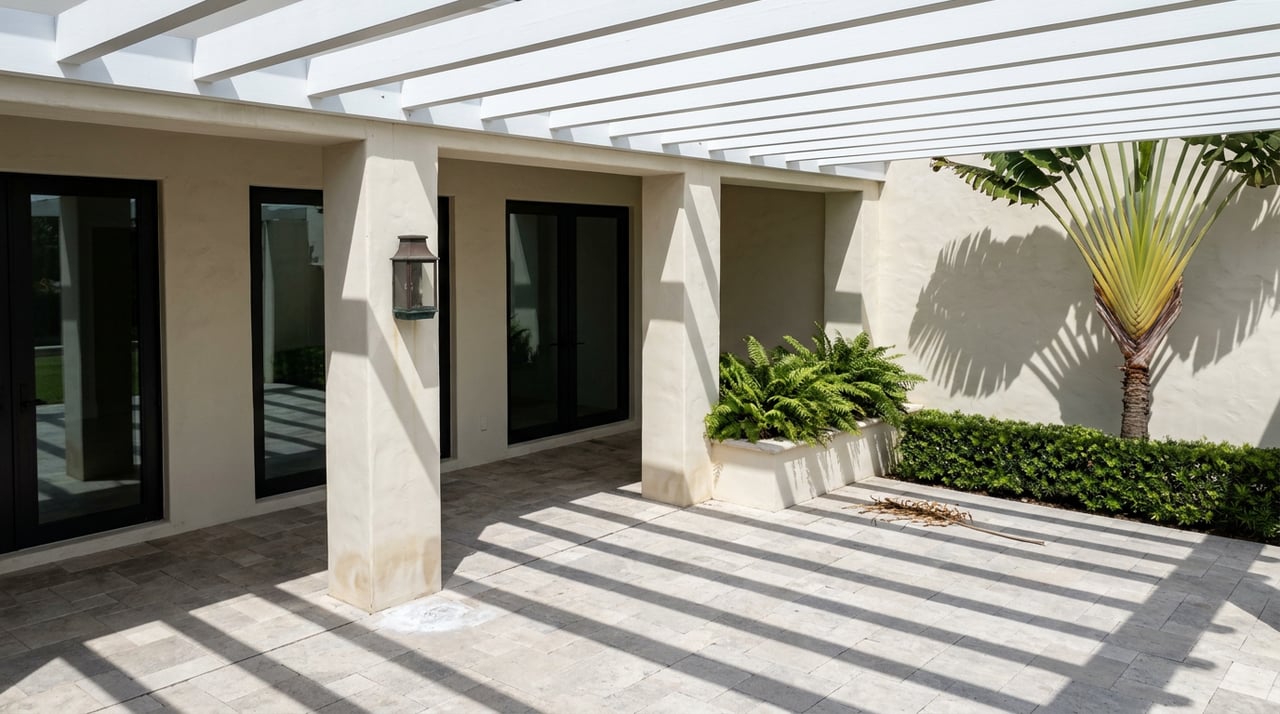
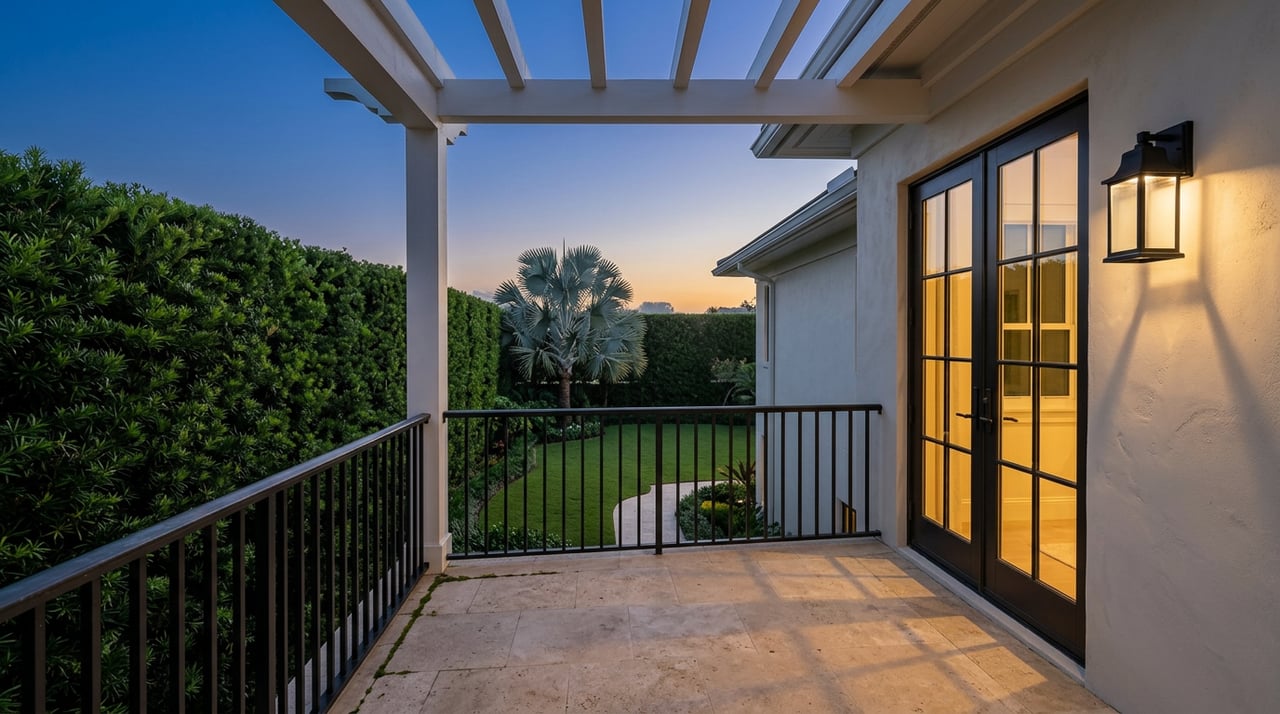
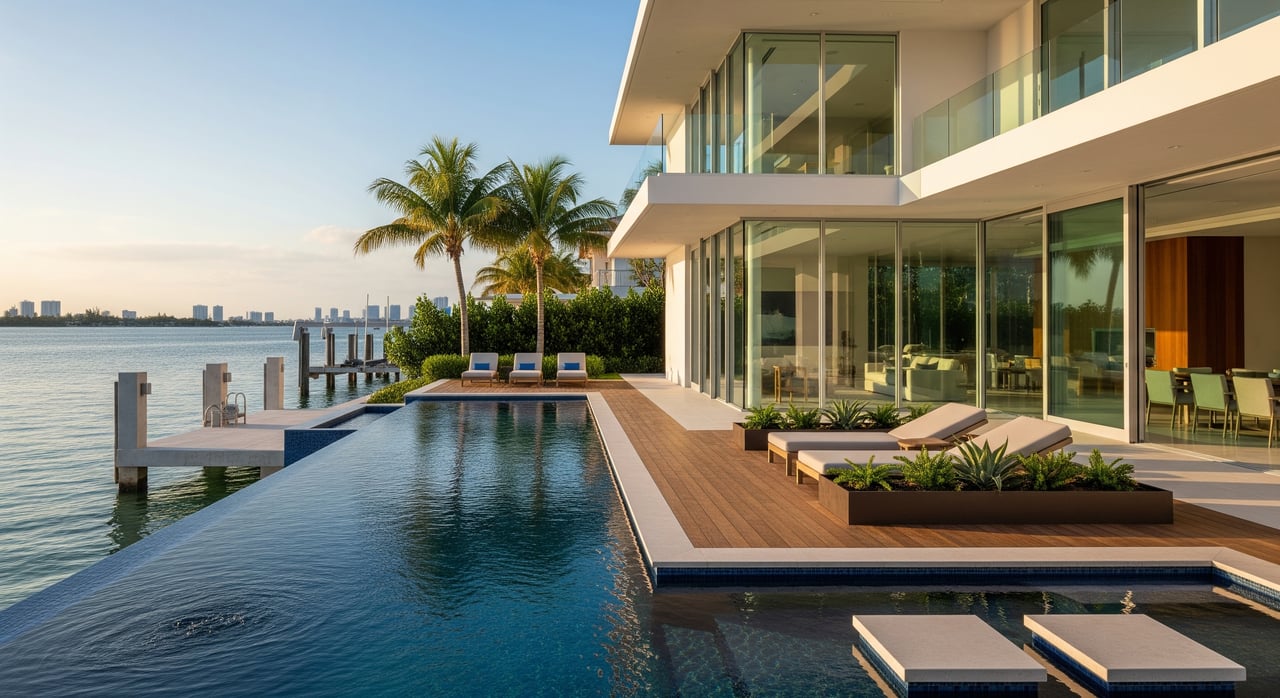
Covered outdoor spaces are a signature of Miami luxury living. Buyers want a seamless flow from interiors to shaded terraces with full entertaining capability.
- Key specs: covered lanai or pavilion, built-in outdoor kitchen (grill, sink, refrigeration), integrated lighting and audio, pool and spa, retractable or large-format glass doors, ceiling fans, and landscape lighting.
- Climate notes: select salt-tolerant appliances and marine-grade hardware, plan drainage and grading, add mosquito control strategies, and use native or drought-tolerant planting where feasible.
- Costs: outdoor kitchens often run about $10,000 to $80,000+ depending on equipment and finishes. High-end pools range from roughly $100,000 to $1,000,000+ for custom builds. Well-executed outdoor living can be a major price driver in Miami.
Chef’s kitchen with real service space
The kitchen anchors daily life and entertaining. Luxury buyers expect both performance and polish.
- Key specs: 48 to 60 inch professional ranges, separate refrigeration and beverage columns, walk-in pantry or scullery, a large island with seating, commercial-grade ventilation, and durable countertops such as quartzite or engineered stone.
- Function first: emphasize prep zones, ample storage, and easy cleanability without sacrificing design.
- Costs: high-end kitchens often range from about $100,000 to $500,000+ depending on appliances, cabinetry, and stone. While percentage ROI can be lower than mid-range remodels, the absolute value impact on sale price and marketability is significant.
Wellness suite and gym
Private fitness and recovery spaces are in demand, especially when they connect to outdoor areas.
- Key specs: dedicated gym, spa bath, steam or sauna, cold plunge or infrared sauna, and upgraded air and water quality systems.
- Miami must-haves: humidity control, proper ventilation, waterproofing, and moisture-resistant finishes to prevent mold.
- Costs: from modest build-outs for a gym to tens of thousands or over $100,000 for integrated sauna and steam. These spaces differentiate listings and appeal to wellness-focused buyers.
Smart systems and structured wiring
A luxury home should feel effortless to control, whether owners are in residence or away.
- Core infrastructure: prewire for data, security, audio, and shades with a central equipment rack. Combine strong mesh Wi-Fi with wired backhaul where needed.
- High-value controls: lighting scenes, motorized shades, climate control, security and cameras, and an “away” or “hurricane” mode to set the whole house in seconds.
- Costs: prewiring during construction is cost-efficient and futureproofs the home. Full integration can range from mid four figures to six figures depending on scope.
EV charging and backup power
Resilience and convenience matter in Miami’s storm season and for owners with multiple vehicles.
- EV readiness: provide a dedicated 40 to 60 amp circuit, conduit to logical charger locations, and capacity for multiple chargers if the garage plan calls for it. Prewiring during construction is inexpensive compared with retrofits.
- Backup options: whole-house standby generators with automatic transfer switches or battery storage systems sized for critical loads. Solar can be paired with batteries depending on site and goals.
- Costs: EV charger installs often start around $1,000 to $3,000+ depending on electrical work. Whole-house generators, including installation and fuel hookup, commonly range from about $7,000 to $50,000+ depending on capacity. Battery systems for residences often fall in the $10,000 to $40,000+ range depending on size.
Salt-resistant materials that last
Coastal exposure accelerates wear. Materials and hardware choices directly affect longevity and maintenance.
- Use cases: marine-grade stainless steel (316) for exposed hardware, powder-coated or anodized aluminum for exterior metals, corrosion-resistant fasteners, impact-rated glazing, and composite or PVC decking where appropriate.
- Documentation: Miami-Dade product approvals are a plus for coastal assemblies and impact openings. Even the best materials need regular rinsing and periodic sealants in salt air.
Flood and hurricane resilience
Buyers weigh risk, insurance, and long-term durability alongside design. Visible resilience builds confidence.
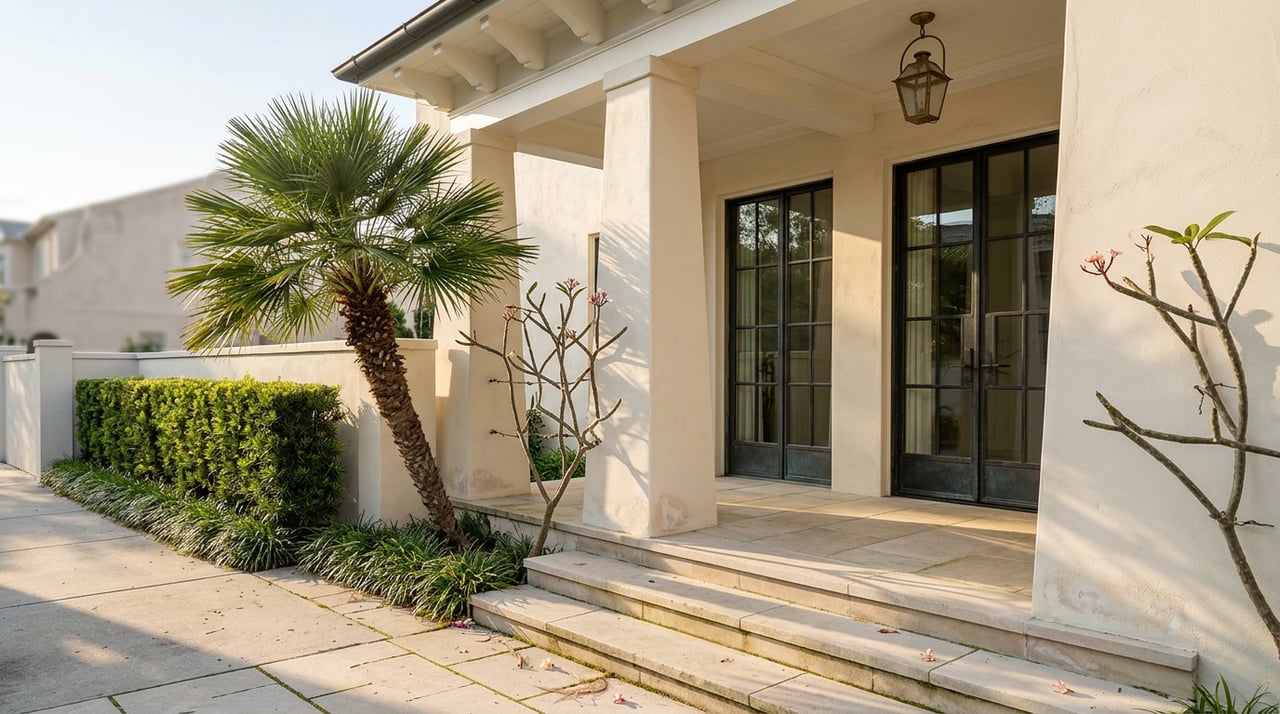
- Core measures: impact-rated windows and doors with Miami-Dade approvals, roof systems with high wind ratings, flood-resistant first-floor finishes, elevating electrical panels and HVAC above expected flood elevations, and flood vents where required.
- Elevation and systems: where site conditions allow, elevate finished floors and locate mechanical rooms above projected flood levels. Provide elevation certificates and past flood data when available.
- Value: some measures are required by code in certain zones. Others reduce risk and improve marketability, which can influence both time on market and buyer willingness to pay.
Prioritize your budget in Miami-Dade
High priority
- Resilience basics: impact-rated windows and doors, protected or elevated mechanicals, clear shutter or protection plans.
- Outdoor living infrastructure: covered terraces, rough-ins for an outdoor kitchen, and durable patio finishes to support daily use.
- Kitchen functionality: a well-laid-out chef’s kitchen with durable surfaces and professional-grade ventilation.
- EV and backup readiness: at minimum, prewire for EV charging and plan space and conduit paths for a generator or batteries.
Medium priority
- Full smart-home integration: prewiring is essential; whole-home bespoke systems depend on lifestyle and budget.
- Wellness suite: sauna, steam, and recovery features are compelling but cost-sensitive relative to comps.
- High-end pools and extensive landscaping: extremely desirable but easy to overbuild without neighborhood calibration.
Lower priority or niche
- Taste-specific interior detailing that may not be broadly appealing. Choose neutral, high-quality finishes that allow personalization.
Tip: For condos or homes with HOAs, confirm rules on exterior changes, pool installations, generators, and EV chargers early. Approval timelines can drive your schedule.
Due diligence before you build or renovate
Prepare a concise package of facts and documents before design decisions harden. This saves time, limits change orders, and supports resale.
- Flood risk: check whether the property sits in a Special Flood Hazard Area and identify the base flood elevation. Secure an elevation certificate if possible.
- Comparable sales: study comps with similar outdoor amenities, kitchens, and resilience features to right-size your budget.
- HOA or condo rules: review covenants for any limits on exterior improvements, generators, or chargers.
- Electrical capacity: confirm panel size and feeder capacity to support EVs, large HVAC, and possible batteries or a generator.
- Product approvals: verify impact glazing, shutters, and exterior doors meet Miami-Dade requirements and keep documentation on hand.
- Timeline reality: plan for permitting lead times and procurement for specialty items like impact glass, custom AV, and high-end appliances.
- Maintenance and lifecycle: prepare realistic maintenance expectations for pools, salt-exposed exteriors, landscape, and mechanicals.
- Incentives: research available federal, state, and utility programs for EV charging and energy storage. Consult your tax professional for applicability.
Implementation and permitting in Miami-Dade
A smooth process starts with the right plan, approvals, and team.
- Permitting: structural work, pools, generators, major electrical upgrades, and HVAC changes typically require permits. Expect submittals for Miami-Dade product approvals on impact openings and certain exterior assemblies.
- Insurance: resilience upgrades can influence homeowners and flood insurance underwriting. Keep permits, product approvals, and warranties organized for your records and future buyers.
- Utility coordination: confirm interconnection requirements and panel capacity for EV charging and any solar-plus-storage plan. Site service upgrades can affect schedule.
- Contractor selection: partner with licensed contractors experienced in Miami-Dade coastal codes, hurricane detailing, and local permitting. Ask for references and evidence of similar completed projects.
- Warranties and documentation: compile transferable warranties for appliances, mechanical systems, impact glass, and roofing, plus maintenance schedules.
Budget planning that protects ROI
- Lock the program: define the must-haves that align with buyer expectations in your submarket before exploring add-ons.
- Invest early in infrastructure: prewiring, conduit paths, and mechanical allowances are low-cost during shell work and expensive later.
- Phase thoughtfully: if you need to stage scope, rough-in for future outdoor kitchens, shades, and wellness features so upgrades are easier.
- Balance performance and design: prioritize durable, low-maintenance finishes in salt-prone areas and reserve specialty materials for interiors or protected zones.
The bottom line for Miami luxury value
In Miami-Dade, premium value comes from livable outdoor rooms, a true chef’s kitchen, integrated tech infrastructure, resilience against storms and flooding, and materials that hold up to salt and heat. When you plan these elements together with permitting, documentation, and a realistic schedule, you create a property that feels effortless today and stands the test of time.
If you want help aligning features, budget, and timeline to your specific site and goals, our team is here to advise and build with care. Partner with Jomed Construction to plan and deliver a luxury home that is beautiful, resilient, and future-ready.
FAQs
Which outdoor features add the most value in Miami luxury homes?
- Covered terraces with a built-in kitchen, a modern pool and spa, and wide glass openings that create seamless indoor-outdoor flow are consistent value drivers.
Are impact-rated windows and doors worth it in Miami-Dade?
- Yes. Impact-rated openings meet local wind and debris standards, improve perceived safety, can support insurance considerations, and are expected in luxury coastal properties.
What does EV-ready mean for a new luxury home in Miami?
- It typically includes a dedicated 40 to 60 amp circuit, conduit to charger locations, reserved panel capacity, and a layout that supports multiple future chargers.
How much should I budget for a whole-house generator in Miami?
- Installed costs commonly range from about $7,000 to $50,000+ depending on capacity, fuel hookup, and site conditions; large estates may require higher-capacity systems.
What documents should sellers gather before listing a Miami luxury home?
- Collect permits and approvals, elevation certificates if available, product approvals for impact openings, appliance and mechanical warranties, HOA approvals, and relevant comparable sales.