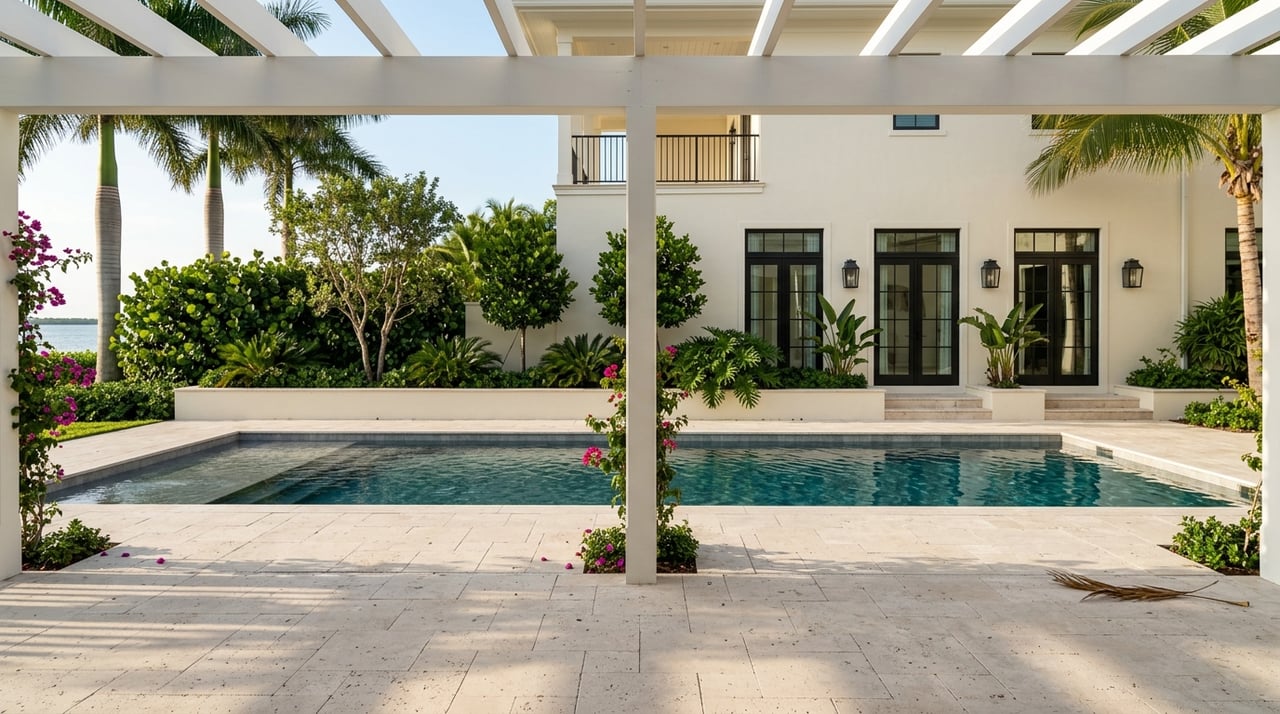
Water is not just a backdrop in Miami luxury living. It often becomes the main organizing idea of the home itself. If you are planning a new waterfront residence or rethinking an existing property, understanding how Miami homes truly embrace the water can help you make smarter design and building decisions from the start. Let’s dive in.
Miami Luxury Starts With Water
In Miami-Dade, water is part of daily life and part of the building equation. The county is shaped by the Atlantic Ocean, Biscayne Bay, rivers, lakes, and canals, and local flood planning treats sea level rise, storm surge, and heavy rain as central realities.
That means a luxury waterfront home in Miami is rarely only about the view. It is also about how the home handles exposure, elevation, drainage, access, and long-term performance. The most successful properties balance beauty and resilience at the same time.
Where Miami's Water Lifestyle Shows Up
Miami offers several distinct kinds of waterfront living. Some homes sit on sheltered bayfront lots, some connect to canals or marinas, and others face more exposed oceanfront conditions. Each setting creates a different design response.
Coconut Grove and Marina Access
Coconut Grove is one of Miami’s oldest neighborhoods and one of its clearest examples of water-centered living. Dinner Key Marina is identified by Miami & Miami Beach as Florida’s largest wet slip marina, which helps explain why boating access is such a strong part of the area’s identity.
For homeowners, this can mean a property is shaped around dock access, sunset views, and a seamless connection between indoor rooms and bay-facing outdoor spaces. In places like Coconut Grove, the home often acts as both a private retreat and a launch point for life on the water.
Key Biscayne and Open Water Living
Key Biscayne offers a different relationship to the water. It is described as a natural destination for boating and water sports, and its offshore setting gives many homes a stronger sense of direct coastal exposure.
That setting often calls for a design approach that respects both openness and performance. The home may be planned for broad views and breezes, but it also needs to respond carefully to local site conditions and coastal requirements.
North Bay Village and Bay Views
North Bay Village sits on Biscayne Bay and offers broad water views with access to the open ocean through Haulover Inlet or Government Cut. That mix of scenery and boating access makes it a notable example of how luxury properties in Miami can connect lifestyle and infrastructure.
For many owners, the appeal is not only visual. The lot itself may support a stronger relationship between house, dock, and navigable water, which can shape the building footprint and outdoor planning from the very beginning.
The Design Moves That Bring Water Inside
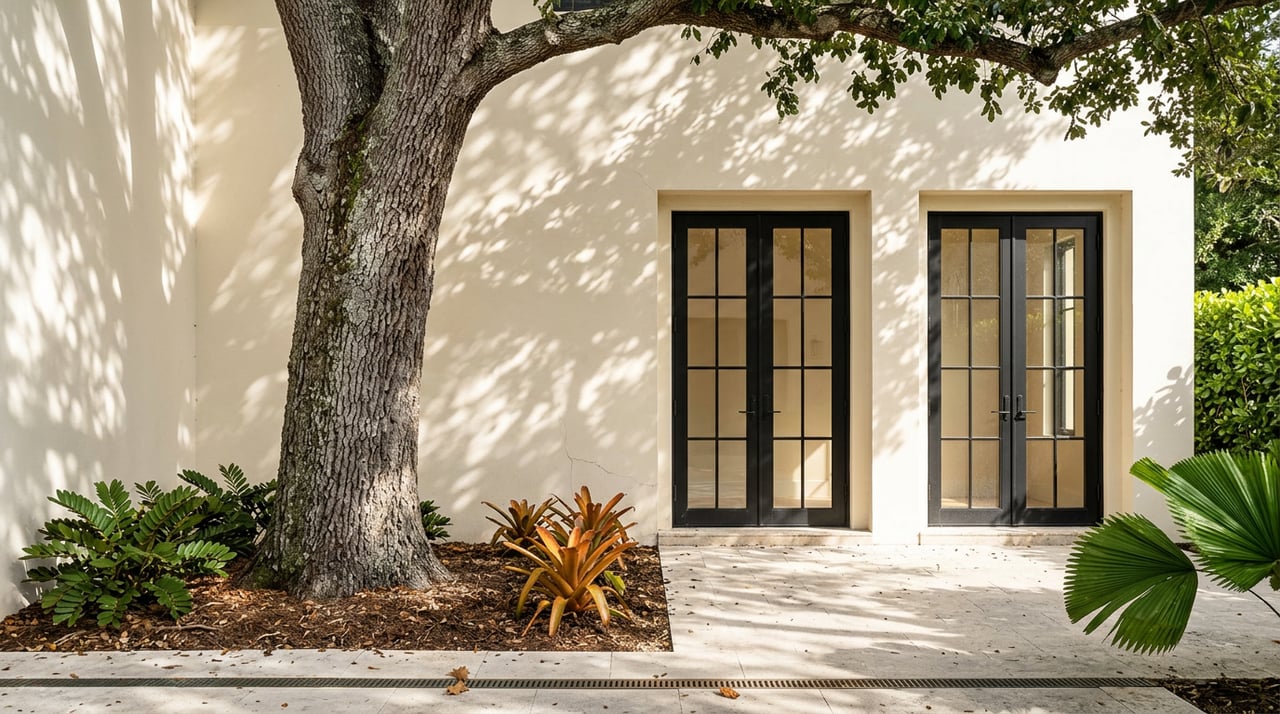
In many standout Miami waterfront homes, the architecture is arranged to keep water in view throughout the day. That often means long sightlines, strong indoor-outdoor transitions, and rooms that open fully to terraces, pools, and docks.
Projects highlighted in design coverage show common features such as floor-to-ceiling retractable glass doors, rooftop terraces, waterfront primary suites, private boat slips, floating docks, and sunset decks. These are not just luxury add-ons. They are part of how the home is organized.
Glass, Views, and Circulation
One of the most effective design strategies is to frame movement through the house around water. In one waterfront project described by LUXE, glass-lined hallways make water features and landscape part of the experience of simply moving from room to room.
That approach matters because it turns the view into something more than a single focal point. Instead, the water becomes present across the entire plan, from entry sequence to living areas to private spaces.
Outdoor Rooms as Daily Living Space
In Miami, outdoor spaces often do as much work as interior rooms. Design examples from Coconut Grove and the Venetian Islands include bayside lounges, lanai spaces, outdoor showers, infinity pools, covered terraces, summer kitchens, and dock-side seating.
This reflects a broader local design logic. In a well-planned waterfront home, the terrace, pool deck, and dock may function as the true heart of the property, with the house opening around them rather than simply facing them.
Shaded Transitions Matter
Miami’s climate rewards homes that create comfortable transitions between indoors and outdoors. Public architecture offers a useful lesson here too. Pérez Art Museum Miami uses shaded verandas, elevated platforms, and outdoor spaces that bridge shelter and openness.
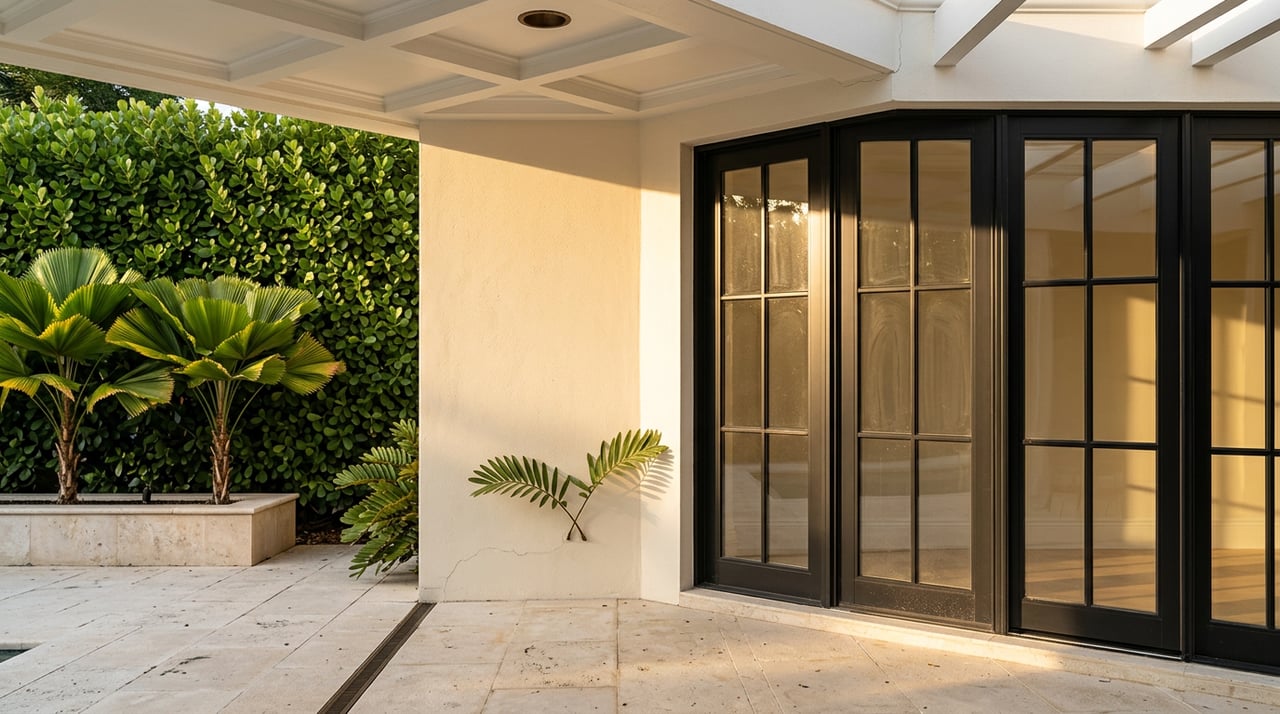
For residential design, that same idea can support more comfortable year-round living. Covered patios, shaded walkways, and layered thresholds can make a home feel more connected to the water without overexposing key living spaces to heat and humidity.
Yacht Access Shapes the Architecture
In Miami, boating culture often affects the architecture itself. Miami-Dade’s marina system includes wet slips, dry storage, boat ramps, transient dockage, fuel, rentals, and other boating facilities, showing how embedded marine access is in the region.
If you own a boat or want direct water access, those priorities may influence lot selection as much as square footage or frontage. The relationship between the house and the shoreline becomes part of the planning brief from day one.
Dock Planning Is a Site Decision
Dock placement is not a minor detail. Turning radius, mooring needs, boat lifts, fendering, and the alignment between the house and water line can all affect where the building sits and how the outdoor spaces are laid out.
In practical terms, that means the site plan and marine features need to be considered together. A home that looks elegant on paper may need significant adjustment if the dock layout or vessel access does not work well with the lot.
Permits Matter Early
Miami-Dade states that a Class I Coastal Construction Permit is required for most work in tidal waters and coastal wetlands. That includes many common waterfront features such as docks, seawalls, boatlifts, davits, mooring or fender pilings, and mangrove removal.
For owners building at a high level, permit strategy is part of design strategy. Early planning can help avoid costly redesigns and keep the architectural vision aligned with what the site can realistically support.
Performance Is Part of Luxury
The most impressive Miami waterfront homes do not choose between beauty and protection. They are designed for both. Local conditions make that essential.
Miami-Dade’s flood tools allow residents to compare ground elevation, flood zones, hurricane storm surge, and sea level rise scenarios. The county also notes that the area sits close to sea level with groundwater near the surface, which can limit drainage during major rain events.
Elevation Changes the Conversation
Flood elevation is not just a technical note in Miami. It can affect design decisions, insurance considerations, and how future improvements are handled.
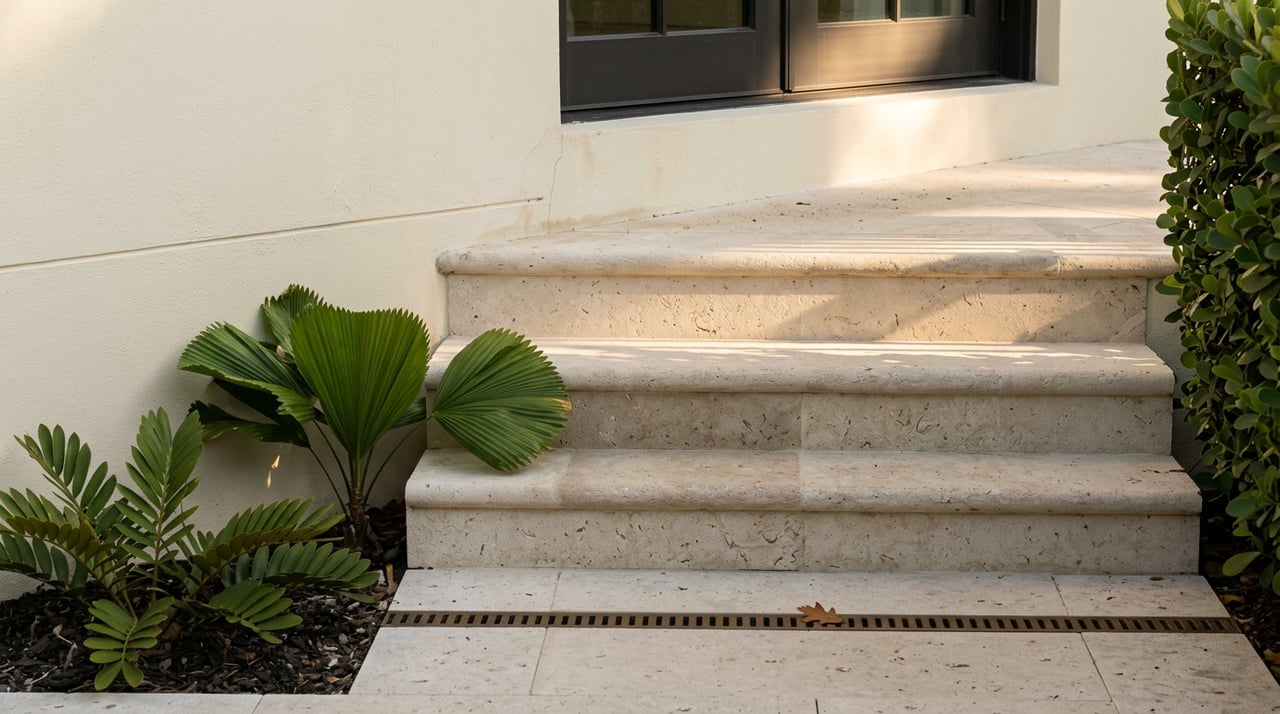
Miami Beach advises property owners to review elevation certificates and notes the substantial-improvement 50% rule. It also recommends resilient choices such as tile flooring and elevated appliances, while Miami-Dade states structures must be built high enough and properly designed to protect against flood damage.
Large Glass Requires Careful Engineering
Waterfront homes in Miami often rely on expansive glazing to capture views and light. But in a hurricane-prone market, those openings must meet strict local standards.
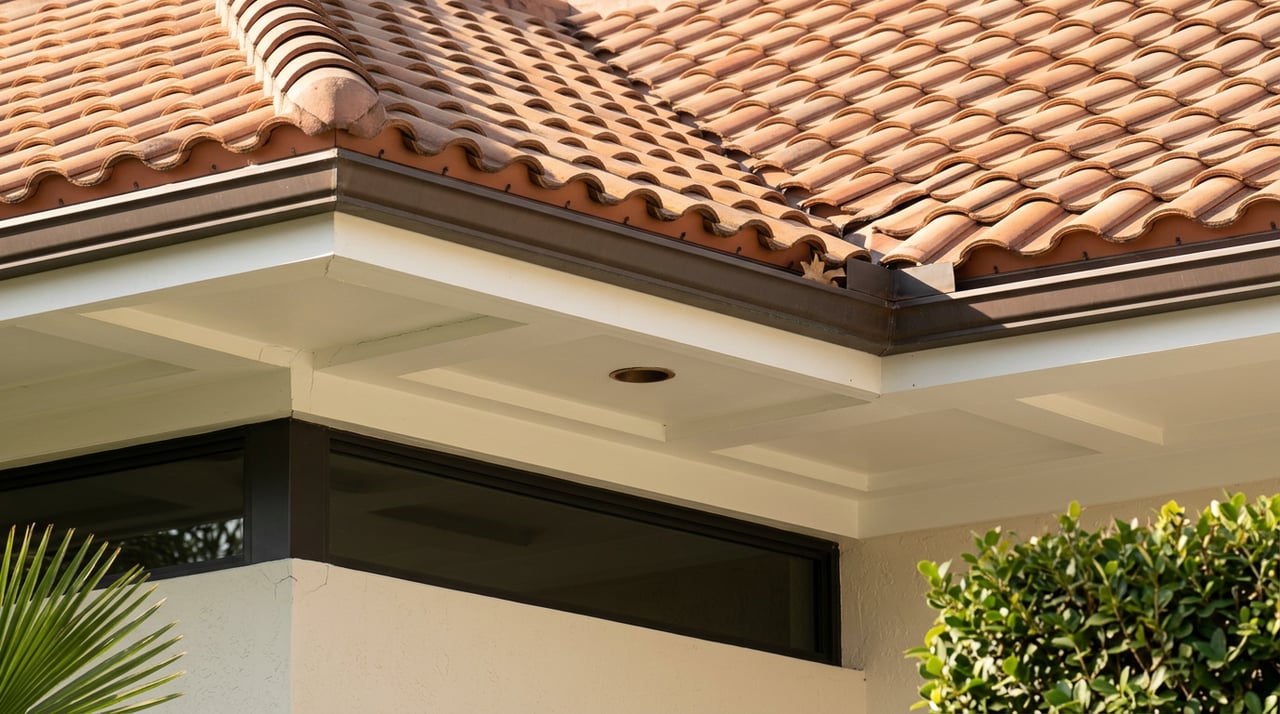
Miami-Dade maintains a product approval system that covers windows, exterior glazing, exterior doors, roofing, shutters, skylights, siding, and related components. This helps explain why the cleanest-looking glass homes are often backed by extensive technical coordination.
Bayfront and Oceanfront Are Not the Same
Not all waterfront lots face the same challenges. A protected bayfront site and an exposed oceanfront site may both be marketed as waterfront, but they do not play by the same rules.
For oceanfront properties, Florida’s Coastal Construction Control Line program adds another permitting layer for construction and excavation seaward of that line. Special siting and design criteria are used to protect dunes, adjacent properties, and public access, so an oceanfront estate often requires a different planning approach than a bayfront home.
What This Means for Your Project
If you are planning a luxury home in Miami, the best waterfront results usually come from seeing architecture, site conditions, permitting, and lifestyle as one connected system. Views, terraces, pools, and docks matter, but so do elevation, approved building components, and the logic of the shoreline itself.
That is especially true for estate-scale homes and complex waterfront sites. Strong outcomes tend to come from careful pre-construction planning, disciplined coordination, and a builder who understands how design ambition meets local realities in South Florida.
For a home that feels effortless on the water, the work behind the scenes has to be anything but casual. It takes planning, technical rigor, and respect for the site to create a residence that is both striking and enduring.
If you are considering a custom waterfront home or a major renovation in Greater Miami, Jomed Construction brings a family-led, design-sensitive approach to complex residential builds across South Florida.
FAQs
How do Miami luxury homes make the most of waterfront views?
- Many are designed with long sightlines, large glass openings, retractable doors, rooftop terraces, and outdoor rooms that keep the water visible and usable throughout the home.
What should you know about docks and boat lifts in Miami-Dade?
- In Miami-Dade, waterfront features such as docks, seawalls, boatlifts, davits, and certain pilings often require a Class I Coastal Construction Permit, so they should be planned early.
Why does flood elevation matter for Miami waterfront homes?
- Flood elevation affects how a home is designed and improved over time, and local guidance in Miami Beach highlights the importance of elevation certificates and the substantial-improvement 50% rule.
Can Miami waterfront homes still use large glass walls?
- Yes, but windows, doors, and exterior glazing must meet Miami-Dade product approval requirements, which is why these homes require careful engineering and specification.
What is the difference between bayfront and oceanfront homes in Miami?
- Bayfront homes and oceanfront homes face different site and permitting conditions, and oceanfront properties may also be subject to Florida’s Coastal Construction Control Line requirements.
What helps a Miami waterfront home feel effortless to live in?
- The strongest results usually combine views, terraces, pools, shade, and dock access with careful planning for elevation, drainage, permitting, and durable building systems.