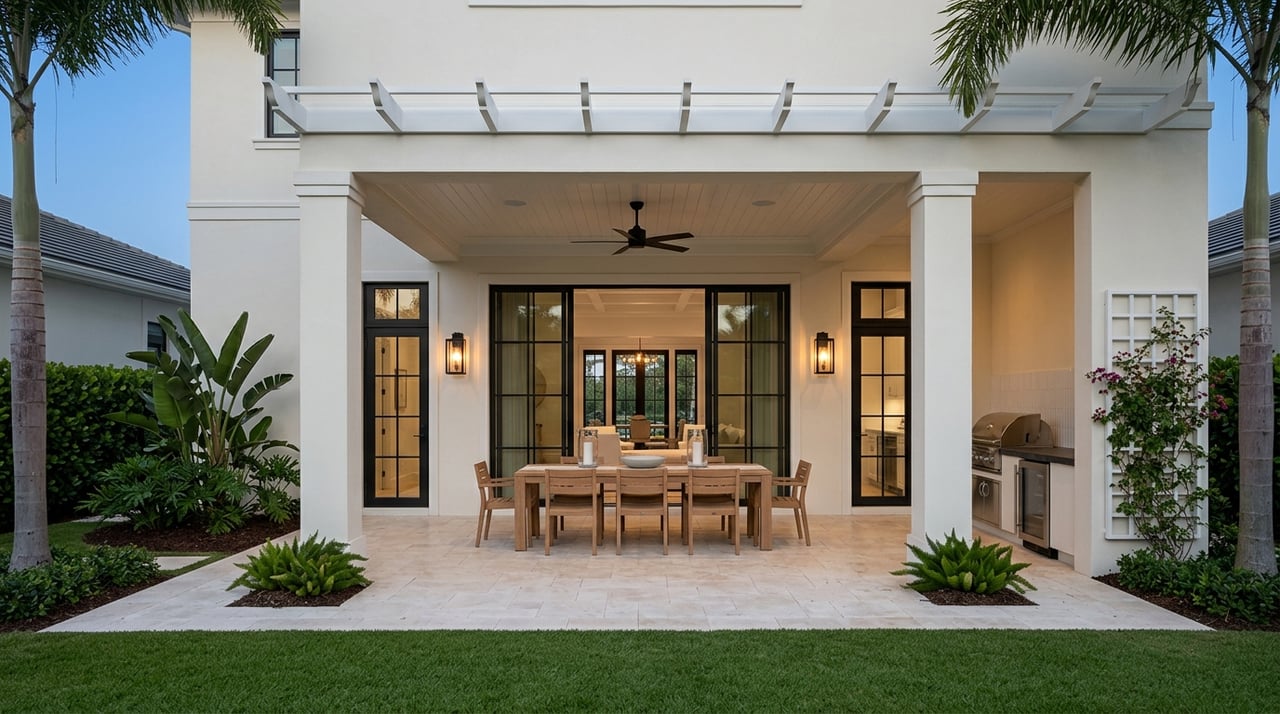
Want to host dinner under the stars in January, cocktails by the pool in April, and a full holiday gathering without moving guests from one cramped room to another? In Miami estate properties, entertaining at home works best when the house is planned around the way you actually live, host, and move through the space. That means looking beyond beautiful finishes and focusing on layout, climate response, and resilient construction. Let’s dive in.
Why Miami Homes Entertain Differently
Miami’s climate shapes the way estate homes function. Miami Beach’s 1991 to 2020 climate normals show an annual mean temperature of 76.1°F, with average highs near 88°F in July and August, plus about 57.18 inches of annual rainfall. In practical terms, that makes shaded terraces, covered outdoor rooms, and easy indoor-outdoor flow useful features for everyday living, not just luxury extras.
Local lifestyle patterns support that same approach. Miami’s hospitality and waterfront culture place a strong emphasis on walkable dining, outdoor seating, live entertainment, rooftop gatherings, and dockside experiences. For you as a homeowner, that often translates into a desire for spaces that can shift naturally from quiet family use to sunset drinks, catered dinners, or larger celebrations.
Start With the Social Core
The most successful entertaining homes usually begin with one idea: the main living areas should feel connected. In Miami estate properties, that often means the great room, dining area, and terrace are planned as one continuous social zone rather than a series of separate rooms. When that relationship is handled well, guests can move easily without the home feeling crowded or disjointed.
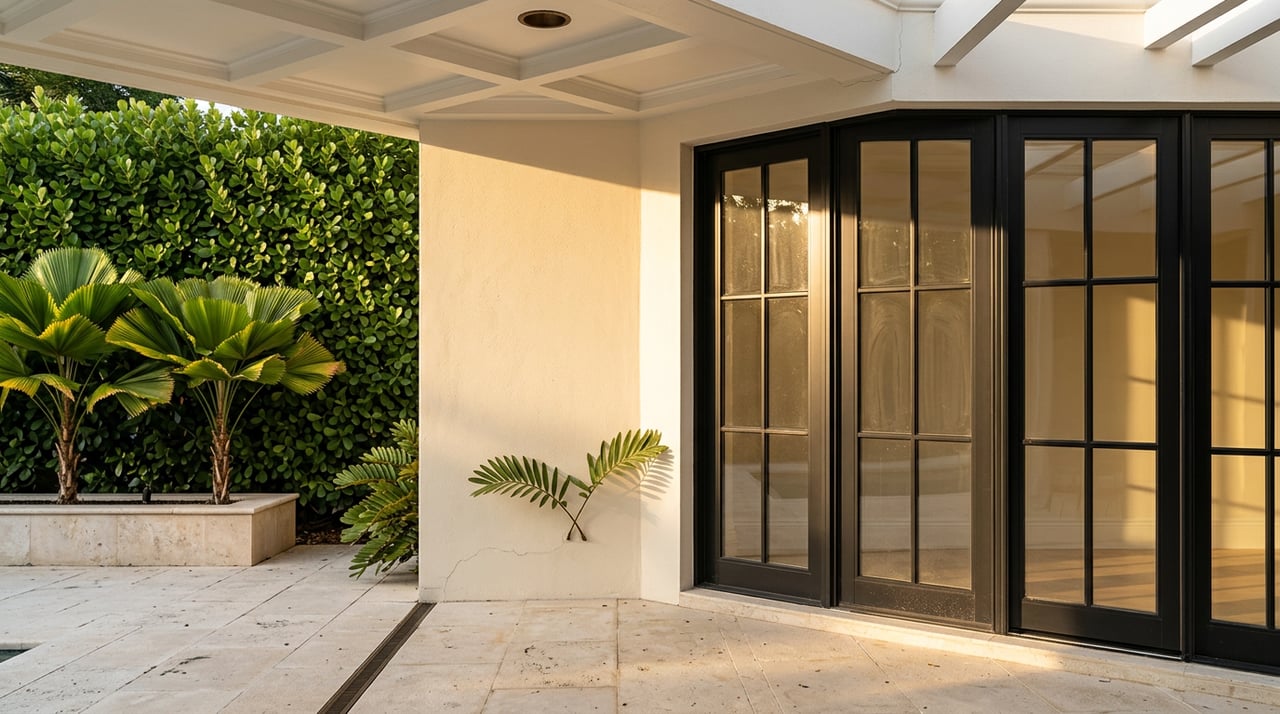
Large glazed openings and direct connections to the grounds help support that flow. In design-forward Florida homes, retractable glass walls and wide openings are often used to blur the line between indoors and outdoors. That approach fits Miami especially well because it allows the house to respond to warm weather, views, and outdoor living in a more natural way.
A strong social core also helps your home perform better during different kinds of events. A casual brunch, a milestone birthday, and a formal dinner all need slightly different seating, movement, and sound patterns. When your main spaces connect clearly, the home can adapt without needing a major reset every time you host.
Design Outdoor Rooms for Real Use
In Miami, outdoor entertaining space needs to do more than photograph well. Because heat, humidity, and seasonal rain are part of everyday life, exterior areas work best when they include covered transition zones, shade, and multiple places to gather. A terrace that is only open to the sky may look dramatic, but a covered outdoor room often gets used more consistently throughout the year.
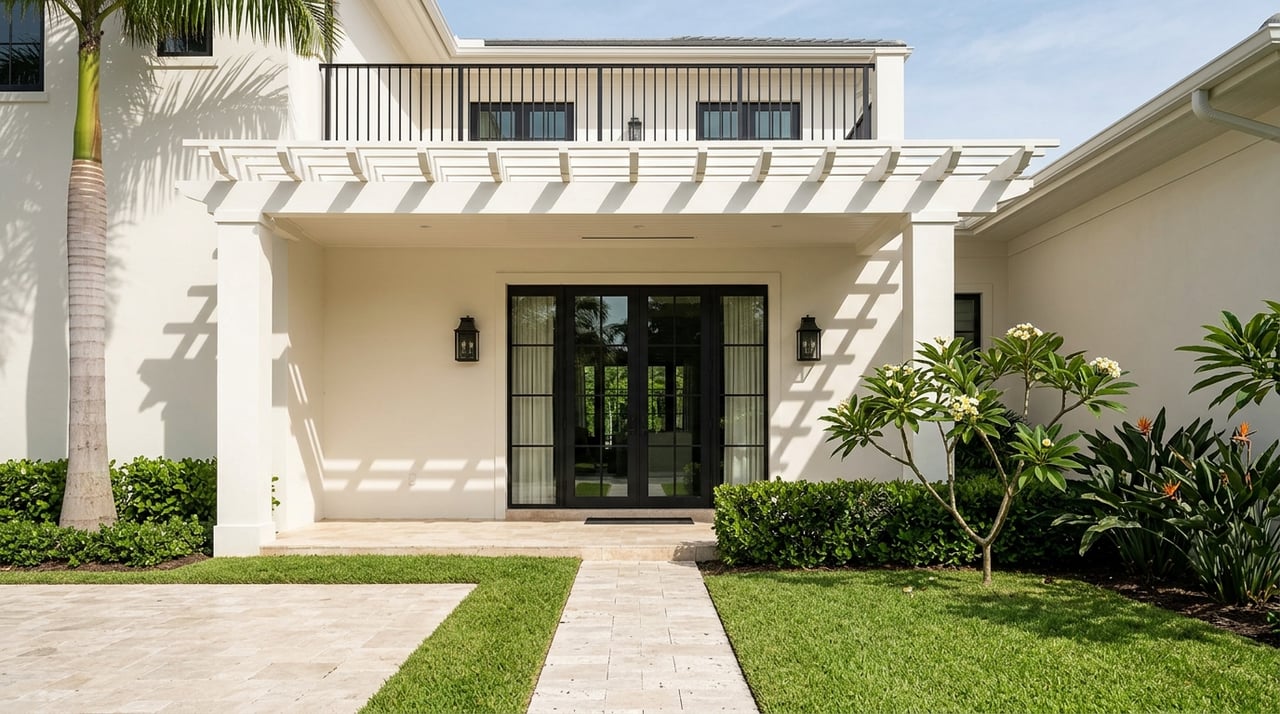
That is why deep patios, verandas, pergolas, and sheltered seating areas matter so much in estate-scale planning. These spaces help you extend the living area while offering relief from strong sun and sudden weather changes. They also create a more comfortable rhythm between the house, the pool, and the landscape.
For waterfront properties, outdoor layout becomes even more important. The path from dock, pool, or lawn to the main entertaining areas should feel intentional and easy to navigate. That circulation can support both daily family routines and larger hosted events while keeping arrivals and transitions more orderly.
Build a Kitchen That Can Host
A showpiece kitchen is important, but entertaining homes in Miami usually need more than a beautiful island and premium appliances. If you host often, the kitchen has to support prep, plating, service, and cleanup without disrupting the experience for your guests. That is where thoughtful back-of-house planning becomes essential.
Many estate homes benefit from a chef’s kitchen paired with a prep pantry or scullery. This gives you a place for catering support, extra refrigeration, staging, or cleanup while keeping the primary kitchen calm and visually polished. It is a practical response to the way larger homes are used for social gatherings, not a decorative indulgence.
A discreet bar or wine room can also make a big difference. Whether you are serving cocktails before dinner or creating a separate beverage station during a party, that extra support space helps reduce crowding around the main kitchen. It also allows the entertaining flow to feel more deliberate and relaxed.
Plan for Guests Beyond the Party
Entertaining at home is rarely just about the event itself. In many Miami estate properties, hosting also means weekend visitors, holiday stays, or multi-day gatherings tied to boating, beach time, or family celebrations. That is why guest-ready planning deserves as much attention as the main entertaining rooms.
Guest suites can provide privacy and comfort without pushing visitors into the private areas of the home. Powder rooms placed close to the main social spaces are also important because they improve convenience and reduce traffic through bedroom wings or personal spaces. Small planning decisions like these can make the house feel more composed during larger gatherings.
Secondary family rooms or media spaces also help absorb overflow. During a long evening, not everyone wants to remain in one central room for hours. Having a second gathering area gives the home flexibility and allows different age groups or activity types to coexist more comfortably.
Don’t Overlook Service Circulation
Great entertaining often depends on what guests do not notice. In estate homes, service circulation helps support staff, caterers, deliveries, and cleanup without interrupting the main experience. When done well, it preserves a more graceful arrival sequence and keeps the social core feeling calm.
For Miami homes, transitional zones from the garage, dock, or pool can be especially useful. A mudroom or similar transition area can help manage wet towels, pool gear, beach items, and serving equipment before they enter the main house. That keeps formal areas cleaner while making day-to-day life easier.
Storage matters just as much. If you entertain often, you may need room for extra seating, tableware, linens, outdoor cushions, and event supplies. Building that storage into the home from the start usually works better than trying to fit it in later.
Respect Miami-Dade Flood Realities
In South Florida, entertaining features should always be planned with site conditions in mind. Miami-Dade County notes that the area lies close to sea level and is susceptible to flooding from major rain events and storm surge. For estate homes, that affects how you think about lower-level lounges, terraces, pools, and waterfront access.
Miami-Dade also identifies higher-risk flood designations such as A, AE, AH, AO, and VE. The county states that elevation certificates are required for new construction and substantial improvements. If you are planning a new estate home or a major renovation, these requirements can shape both design decisions and project logistics.
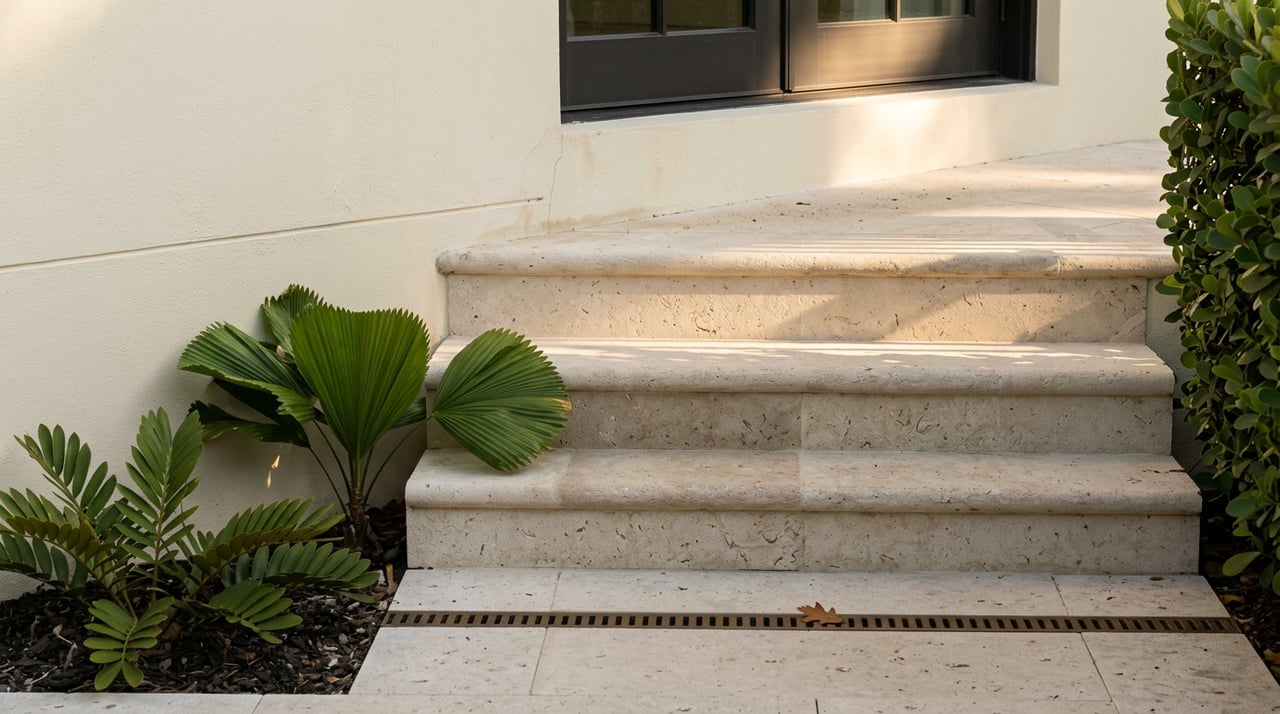
For entertaining, this matters because drainage, finished elevations, and transitions between indoor and outdoor areas have to work together. A pool deck or waterside terrace should not be considered in isolation. It needs to be part of a larger site strategy that responds to flood conditions and supports long-term resilience.
Account for Hurricane Exposure Early
Miami-Dade’s hurricane season runs from June 1 to November 30, and the county advises residents to have emergency supplies stocked by June 1. For estate homeowners, that seasonal reality should influence planning long before furnishings and finishes are selected. The earlier resilience is considered, the better the house can balance openness with protection.
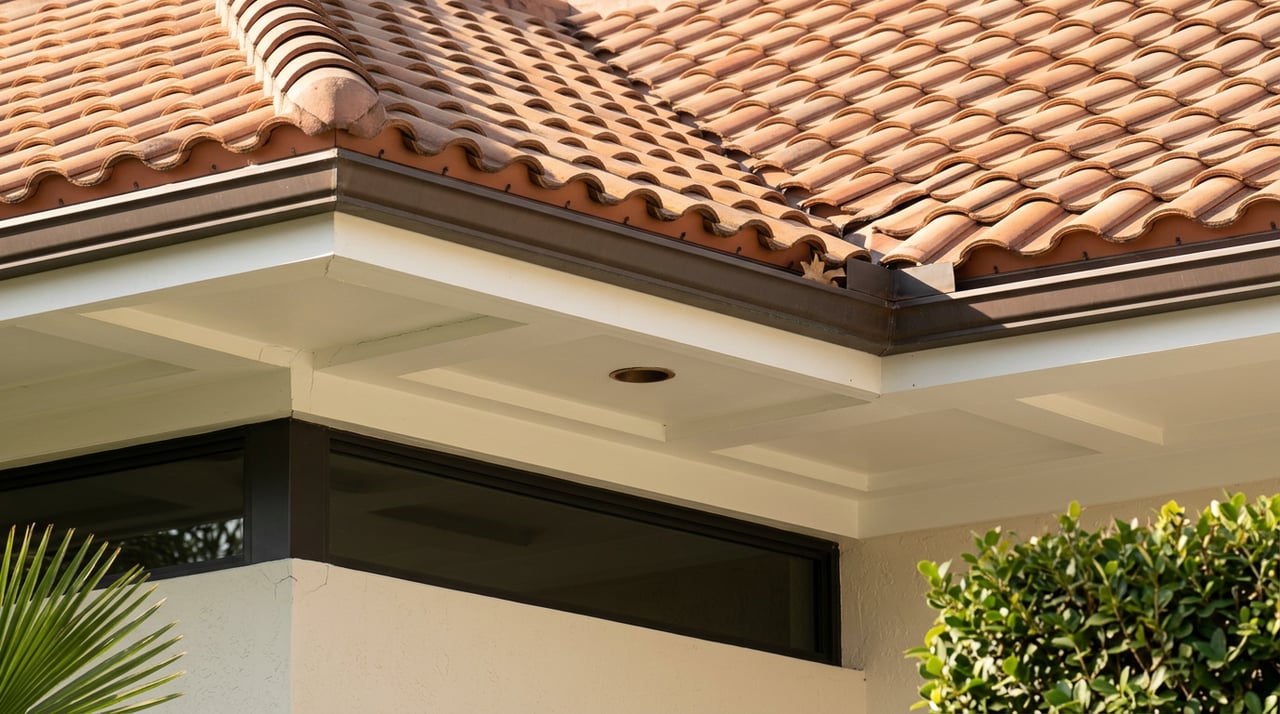
This is especially important in homes with large expanses of glass and strong indoor-outdoor connections. Miami-Dade’s Product Control Section focuses on the building envelope, including windows, exterior glazing, roofing, exterior doors, shutters, and other exterior systems. The county notes that all products making up the structure’s envelope require approval for use in Miami-Dade County.
In practical terms, wide glass walls, large sliders, and open entertaining spaces need to be paired with envelope systems that meet local requirements. That does not mean sacrificing design ambition. It means coordinating architecture, engineering, and construction management so the home feels elegant and performs as expected in a High Velocity Hurricane Zone environment.
Waterfront Sites Need Extra Discipline
Waterfront living is central to many Miami estate properties, but it can also introduce site-specific constraints. In certain parts of the City of Miami, Baywalk and Riverwalk requirements may affect setbacks and public-access conditions along Biscayne Bay and the Miami River. Those rules can influence where exterior entertaining features are placed in relation to the water.
That is one reason waterfront planning requires patience and precision. A terrace, dock, pool, or lounge area may seem straightforward at the concept stage, but site restrictions can shape what is feasible. The best results usually come from addressing these issues early, before the design becomes too fixed.
For you as an owner, this kind of upfront discipline can prevent expensive redesigns later. It also helps protect the relationship between the home, the view, and the exterior living spaces that make Miami waterfront entertaining so appealing.
What Luxury Really Means in Miami
In this market, luxury entertaining is not only about imported stone, custom millwork, or dramatic lighting. Those details matter, but they work best when the home has been planned around climate, movement, resilience, and use. A truly successful Miami estate property feels effortless because the technical and spatial decisions have already been handled well.
That is where experience matters. Estate-scale homes, especially on waterfront or complex sites, benefit from disciplined pre-construction planning, clear scheduling, and close coordination between design intent and field execution. When those pieces come together, the result is a home that supports both memorable events and comfortable everyday living.
If you are thinking about building or transforming a Miami estate property for entertaining, the goal should be simple: create a house that feels generous, composed, and ready for real life in South Florida. To discuss a custom approach, connect with Jomed Construction.
FAQs
What features matter most for entertaining at home in Miami estate properties?
- The most important features are a connected great room, dining area, and terrace, along with shaded outdoor spaces, a capable kitchen with support areas, guest accommodations, and resilient exterior systems suited to Miami’s climate.
Why is indoor-outdoor flow important in Miami estate homes?
- Miami’s warm climate, outdoor dining culture, and frequent use of terraces and pool areas make indoor-outdoor circulation a practical part of how people live and host at home.
How does Miami-Dade flooding affect estate entertaining spaces?
- Flood exposure can influence the planning of terraces, pools, lower-level spaces, drainage, finished elevations, and waterfront access, especially in higher-risk flood zones identified by Miami-Dade County.
What should you know about hurricane planning for Miami luxury homes?
- Miami-Dade hurricane season runs from June 1 to November 30, and homes with large glass openings or exposed outdoor areas should be planned with approved envelope systems and local performance requirements in mind.
Why do waterfront Miami properties need more planning?
- Waterfront sites may involve additional setback, access, and placement constraints that can affect terraces, docks, pools, and other exterior entertaining areas near the water.
How can a builder help with an entertainment-focused estate home in Miami?
- A builder with local experience can help coordinate pre-construction planning, site conditions, scheduling, and construction execution so your home supports both design goals and long-term performance.