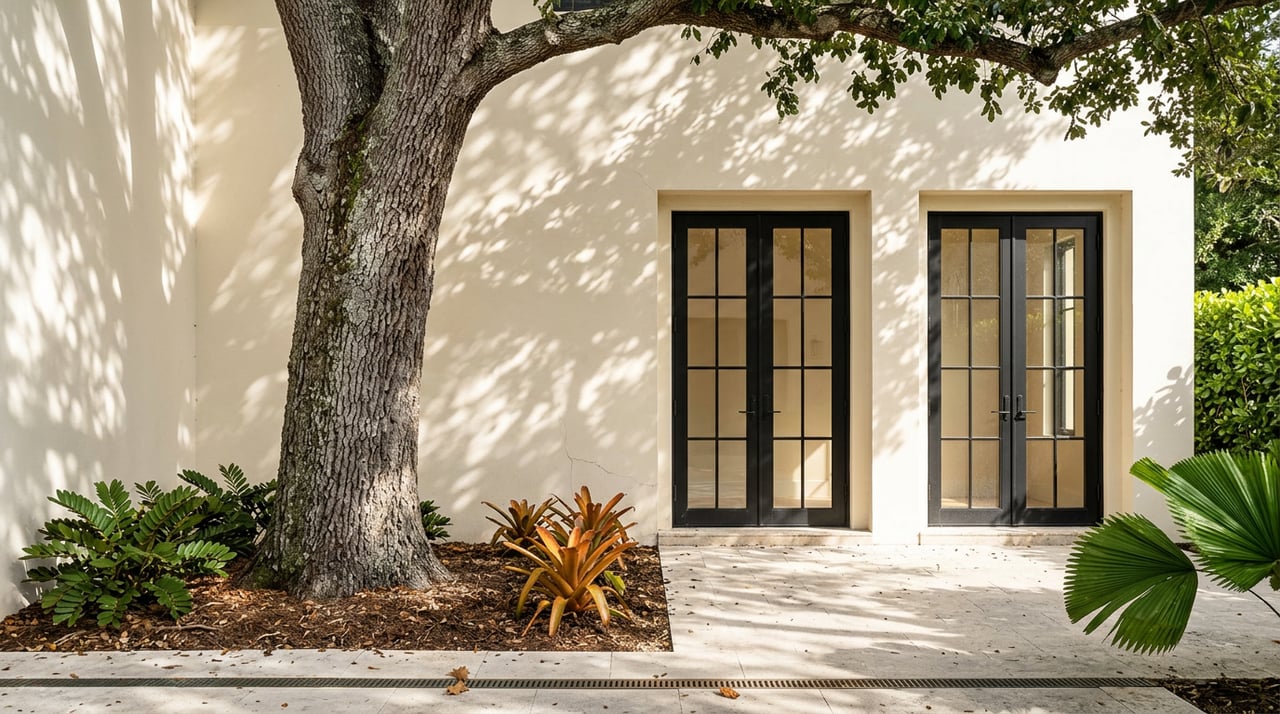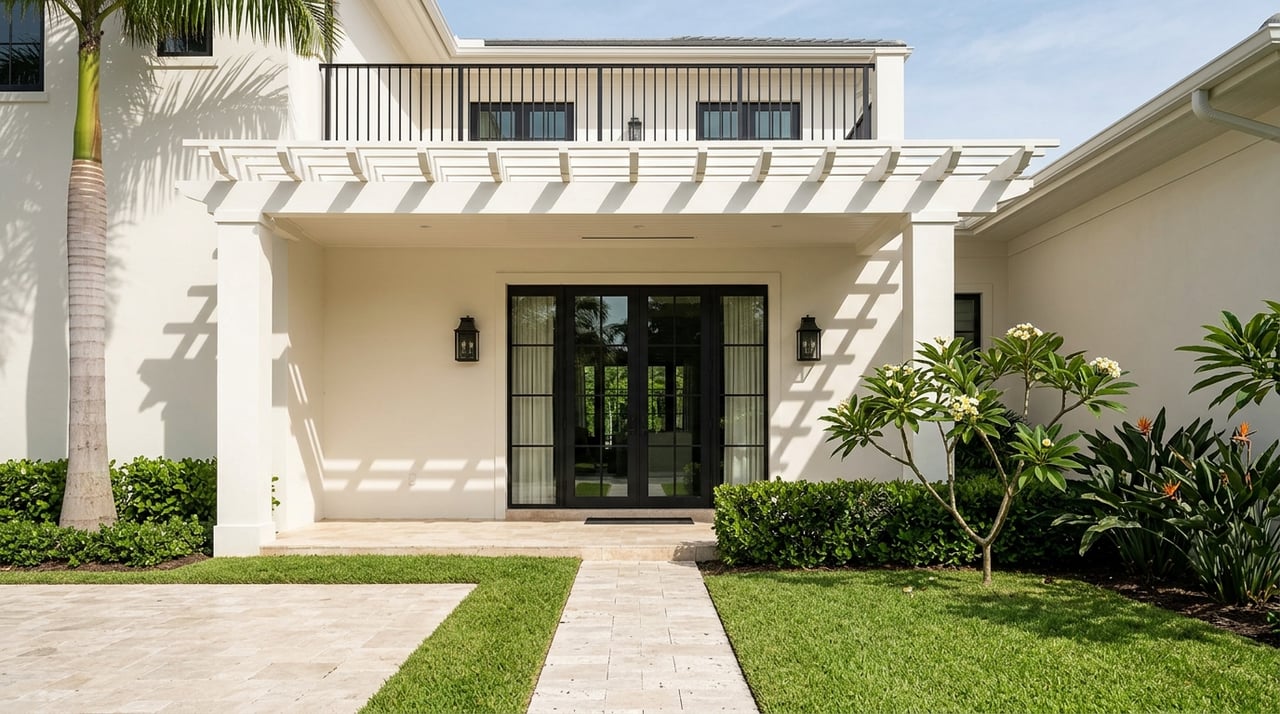
What makes a Miami luxury home feel truly exceptional? It is not just the square footage, the views, or the finishes. In Miami-Dade, real comfort comes from how well a home handles heat, humidity, glare, and noise every single day.
If you are planning a custom home or major renovation, comfort has to be designed in from the start. The right choices can help your home feel cooler, quieter, cleaner, and easier to live in year-round. Let’s dive in.
Miami Comfort Starts With Climate
Miami’s climate shapes every comfort decision you make. According to Miami International Airport’s 1991 to 2020 climate normals, the area has an annual mean temperature of 77.5°F and annual precipitation of 67.41 inches. In July and August, average daily highs sit around 90.6°F to 90.7°F, with average lows around 77.5°F to 77.7°F.
That matters because Miami is in DOE climate zone 1A, a hot-humid climate. In practical terms, your home has to manage heat and moisture at the same time. A house that stays cool but feels damp is not comfortable, and a house with strong air conditioning but poor moisture control can still struggle with indoor air quality and mold risk.
Put The Envelope First
In a Miami luxury home, the building envelope should do the first layer of comfort work. That includes the roof, windows, doors, walls, and the air sealing that helps keep hot, humid outdoor air from leaking inside.
When the envelope reduces heat gain and moisture load, your HVAC system can perform better with less strain. That creates a more even indoor feel and supports long-term durability. In a large custom home, this is especially important because oversized glass, high ceilings, and broad roof areas can all increase comfort challenges if they are not carefully planned.
Why Windows Matter So Much
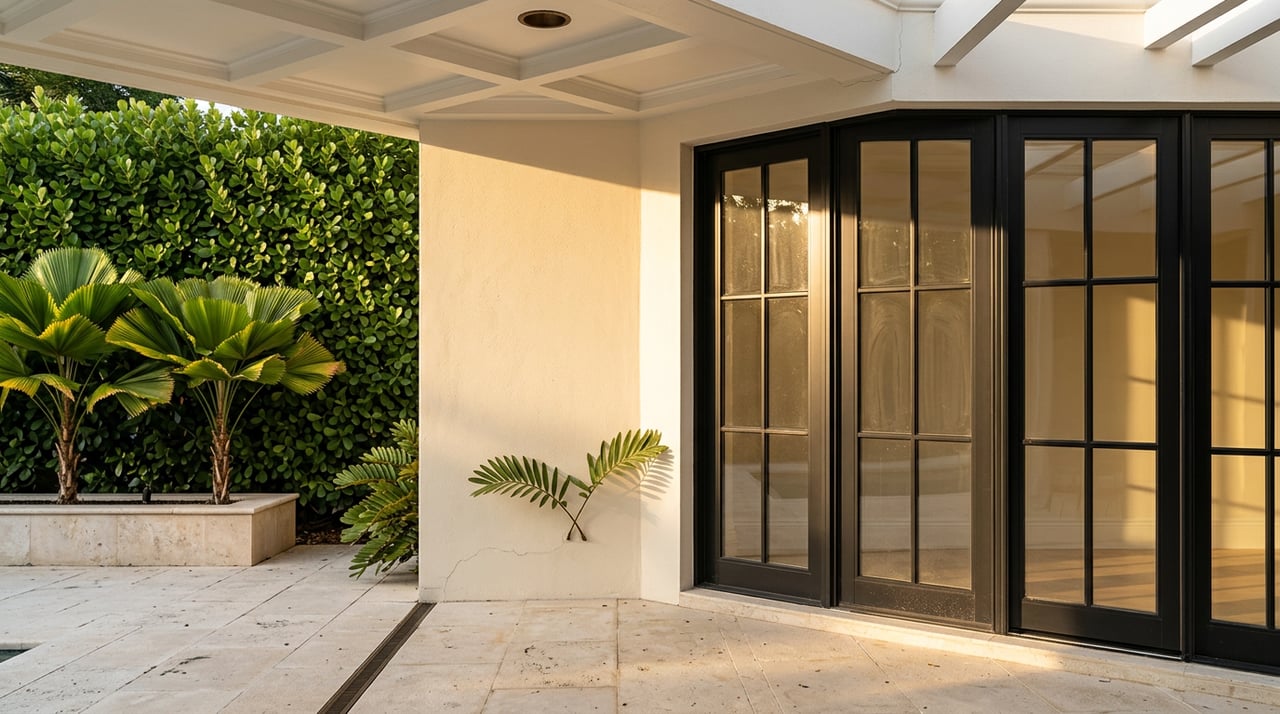
In warm climates, DOE recommends choosing windows with low solar heat gain coefficients, along with ENERGY STAR and NFRC labels. It also recommends coatings that reduce heat gain and exterior shading tools such as awnings, exterior blinds, and overhangs.
For Miami homes, that means you should think about glass placement as carefully as you think about views. Large glass areas can be stunning, but the least-shaded exposures, especially west-facing ones, tend to be the hardest to control for heat and glare. A comfort-first plan places expansive glazing where it delivers the most value and uses more restraint where sun exposure is more intense.
Impact Glazing Supports Daily Comfort
Impact-resistant glazing is often discussed for storm protection, but in Miami-Dade it also supports everyday performance. The county’s Product Control Section reviews approvals for key envelope products, including windows, exterior glazing, roofing, exterior doors, shutters, and wall systems.
Miami-Dade notes that impact-resistant glass has become more common and can withstand Category 5 wind conditions. For daily living, those approved assemblies also support airtightness, long-term durability, and a more stable interior environment. In other words, impact windows are not just for hurricane season. They are part of the comfort strategy all year.
Roof Design Does Heavy Lifting
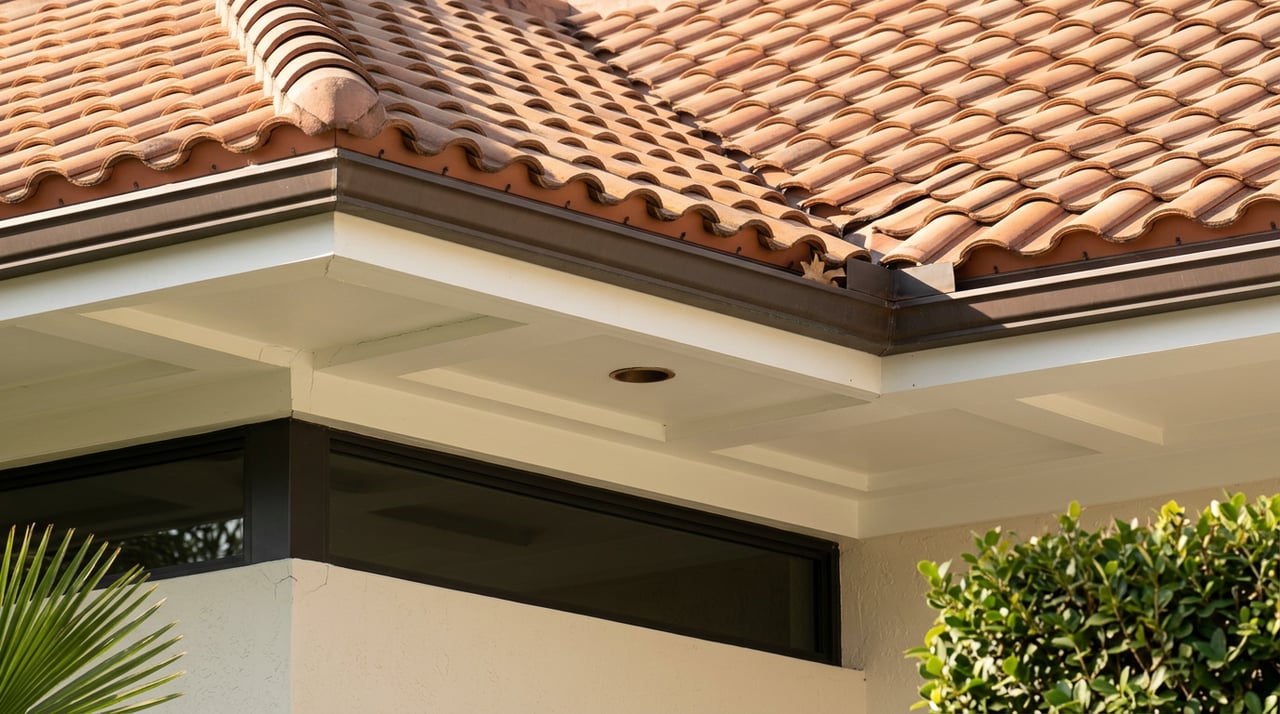
The roof gets some of the strongest sun exposure on the property. DOE says cool roofs reduce heat flow from the roof into occupied space, and those cooling benefits are strongest in hot climates.
DOE also notes that radiant barriers can reduce cooling costs by 5% to 10% in warm, sunny climates. If your design includes skylights, they need careful detailing because they can add unwanted heat gain. Shading, insulation, and air sealing around the skylight shaft all matter if you want natural light without creating a comfort problem.
Air Sealing Controls Moisture Too
Many homeowners think of air sealing as an energy feature, but in Miami it is also a moisture-control feature. DOE states that air movement accounts for more than 98% of water vapor movement in building cavities.
That means humid outdoor air slipping through small leaks can create hidden issues inside walls and ceilings. In a luxury home, the goal is not just a tight shell for efficiency. It is a carefully detailed shell that helps prevent condensation, supports durability, and gives your mechanical systems a better chance to keep the indoor environment balanced.
HVAC Should Control Temperature And Humidity
In Miami, air conditioning alone is not the full story. A comfort-first system has to cool the house and remove moisture effectively.
DOE explains that when an air conditioner does not dehumidify enough, your home can feel clammy even when the thermostat reads low. It also notes that oversized systems often short-cycle, meaning they shut off before they remove enough moisture from the air.
Right-Sized Equipment Matters
This is why proper load calculations matter so much in custom construction. Bigger is not always better when it comes to HVAC.
DOE recommends properly sized systems and notes that variable-capacity equipment can run longer at low speed. That longer run time helps control both temperature and humidity more effectively than single-speed systems. In a large Miami residence, that can make the difference between rooms that feel consistently comfortable and rooms that feel cool but damp.
Register Placement Affects Quiet And Airflow
Comfort is not only about the equipment itself. It is also about how air reaches each room.
DOE says correctly sized supply and return grilles promote airflow, while poorly sized or badly placed grilles can lead to drafts, stagnant air, and noise. In a luxury home, those details matter because true comfort should feel effortless. You should not hear the system fighting the plan, and you should not feel harsh airflow in one room and still air in another.
Indoor Air Quality Is Part Of Luxury
A well-designed Miami home should feel fresh, not just cold. EPA recommends controlling pollution at the source, providing adequate ventilation, using supplemental filtration, and keeping indoor humidity below 60 percent, ideally between 30 and 50 percent.
That humidity target is especially important here. EPA notes that high indoor moisture can support mold growth, and condensation on surfaces can make the problem worse. In Miami’s hot-humid climate, clean air and controlled humidity should be treated as essential design goals.
Mechanical Ventilation Beats Open Windows
Open windows may sound appealing, especially in a home designed around indoor-outdoor living. But DOE says natural ventilation works best in dry or moderate climates and can contribute to mold and mildew concerns in humid climates because incoming air is not filtered or conditioned.
That is why open windows in Miami are best treated as an occasional supplement, not the main comfort plan. Controlled mechanical ventilation, paired with filtration and humidity management, gives you more reliable results.
Filtration Adds Another Layer
EPA’s Indoor AirPlus guidance requires at least a MERV 8 filter in central forced-air systems and highly recommends MERV 13 for added protection. In a high-end residence, that kind of filtration planning supports a more refined indoor environment.
This is especially valuable in larger homes where multiple zones, expansive interiors, and frequent use of kitchens, baths, and outdoor access points can all affect indoor air conditions. Good filtration is not flashy, but you notice the difference in how the house feels.
Kitchens And Baths Need Quiet Exhaust
Moisture and odors have to leave the house effectively. EPA recommends selecting a quiet or remote-mounted kitchen fan so noise does not discourage regular use, and DOE notes that kitchen exhaust fans should vent outdoors to remove moisture, fumes, and odors effectively.
The same thinking applies to baths and other service spaces. If exhaust is loud, people use it less. In a comfort-first home, performance and acoustics should work together.
Plan Rooms Around Sun And Noise
A great floor plan does more than look beautiful on paper. In Miami, it should also help manage sunlight, glare, privacy, and sound.
DOE’s guidance on window orientation and shading makes one thing clear: west-facing glass often needs the most caution in hot climates. That does not mean you avoid views. It means you organize the plan so the rooms you use most benefit from the best light and the most controllable exposures.
Use Tough Exposures Wisely
One practical design approach is to place circulation areas, storage, baths, laundry, and mechanical spaces along exposures with more heat, glare, or noise. Then you can reserve premium daylight and view corridors for primary living spaces and bedrooms where comfort matters most.
This is not a code rule. It is simply smart planning that follows the logic of Miami’s climate and the guidance on shading, orientation, and moisture control.
Keep Noise Away From Quiet Rooms
Acoustics are often overlooked until after move-in. Yet in a luxury home, peace and quiet are part of the experience.
DOE notes that register sizing and placement can affect noise, and EPA’s ventilation guidance favors quieter fan selections so systems are actually used. That supports a straightforward planning principle: where possible, keep equipment, ducts, and louder service functions away from sleeping areas and main gathering spaces.
Miami-Dade Approvals Matter
Comfort-first design in Miami is not only about good ideas. It also depends on using assemblies that align with local product-review standards and the current code environment.
The Florida Building Code, 8th Edition, became effective December 31, 2023. Miami-Dade’s Product Control program reviews approvals for many exterior envelope products, including windows, glazing, roofing, wall cladding, doors, skylights, and shutters. For luxury homeowners, that local framework matters because comfort, durability, and resilience are closely connected.
Comfort Comes From Systems Working Together
The most comfortable Miami luxury homes do not rely on one feature to solve everything. They combine a strong envelope, disciplined moisture control, right-sized HVAC, effective filtration, quiet exhaust, and thoughtful room planning.
That whole-house approach is where design sensitivity and construction discipline meet. In a market like South Florida, where heat, humidity, and storm exposure all shape daily living, comfort is not an upgrade. It is a core part of how a home should be built.
If you are planning a custom residence or high-finish renovation in Greater Miami, working with a builder who understands envelope performance, system coordination, and local product requirements can make the difference between a home that only looks impressive and one that truly lives well. To start the conversation, connect with Jomed Construction.
FAQs
What makes a Miami luxury home comfortable year-round?
- A comfortable Miami home manages both heat and humidity through a strong building envelope, right-sized HVAC, controlled ventilation, and careful room planning.
Are impact windows important for Miami home comfort?
- Yes. In Miami-Dade, impact-resistant glazing supports storm resilience, airtightness, durability, and more stable day-to-day indoor comfort.
Should Miami homeowners rely on open windows for fresh air?
- No. In Miami’s humid climate, open windows are better as an occasional supplement, while mechanical ventilation and humidity control provide more reliable comfort.
Why does humidity matter in Miami luxury homes?
- High indoor humidity can make a home feel damp and can increase mold risk, which is why EPA recommends keeping indoor humidity below 60 percent, ideally between 30 and 50 percent.
What is more important in Miami, the envelope or the AC system?
- Both matter, but the envelope should reduce heat and moisture load first so the HVAC system can perform more effectively and maintain steadier comfort.
How does room orientation affect comfort in Miami homes?
- Orientation helps control glare, heat gain, and noise, so it makes sense to place the most-used rooms in the most favorable exposures and use more challenging exposures for service spaces when possible.