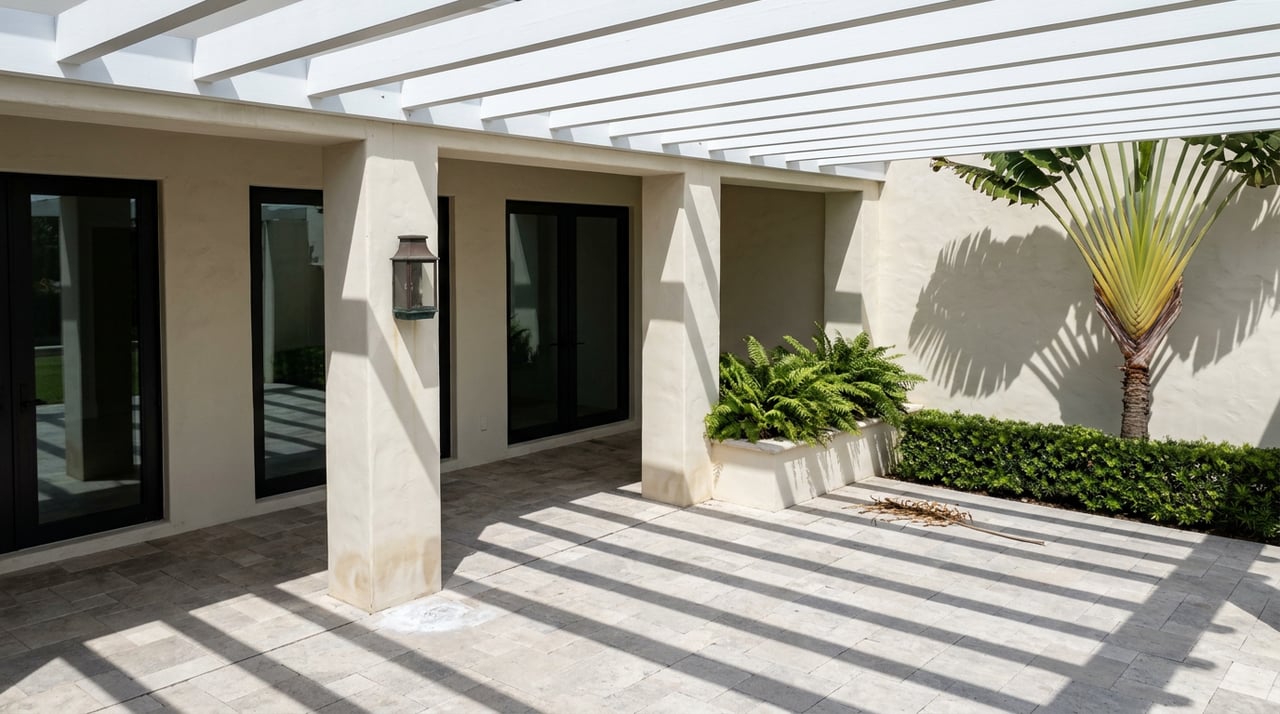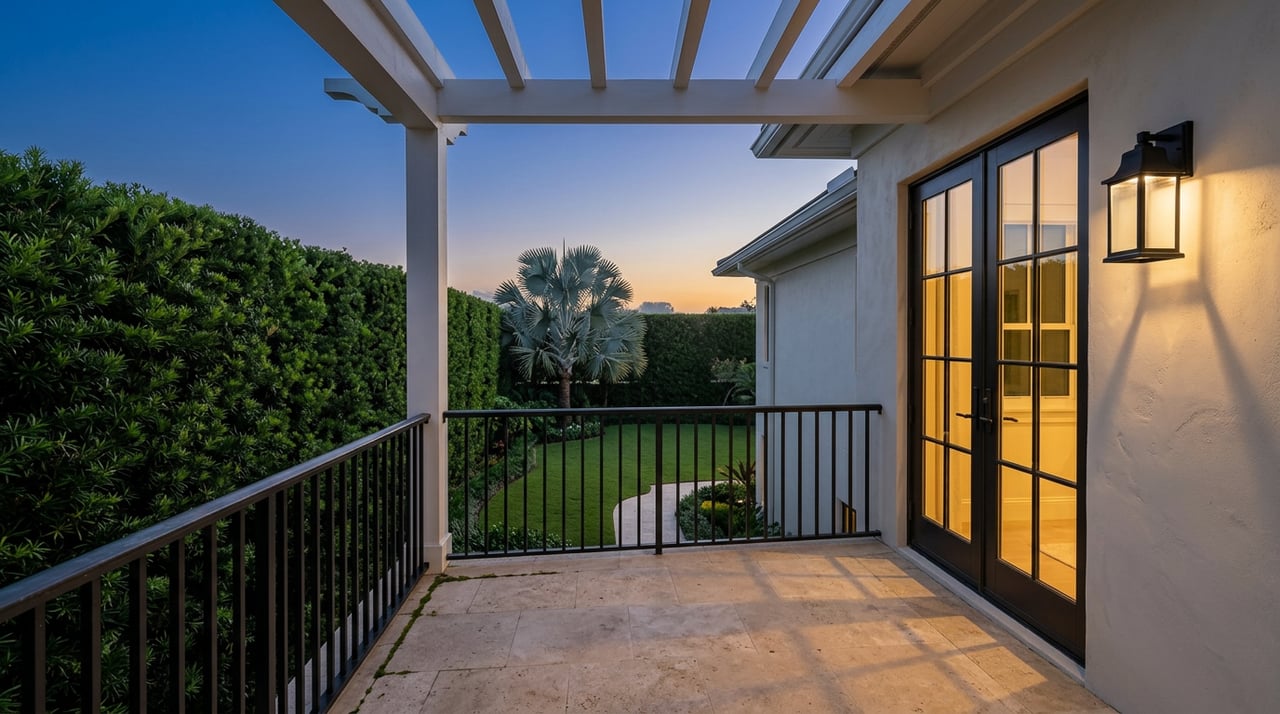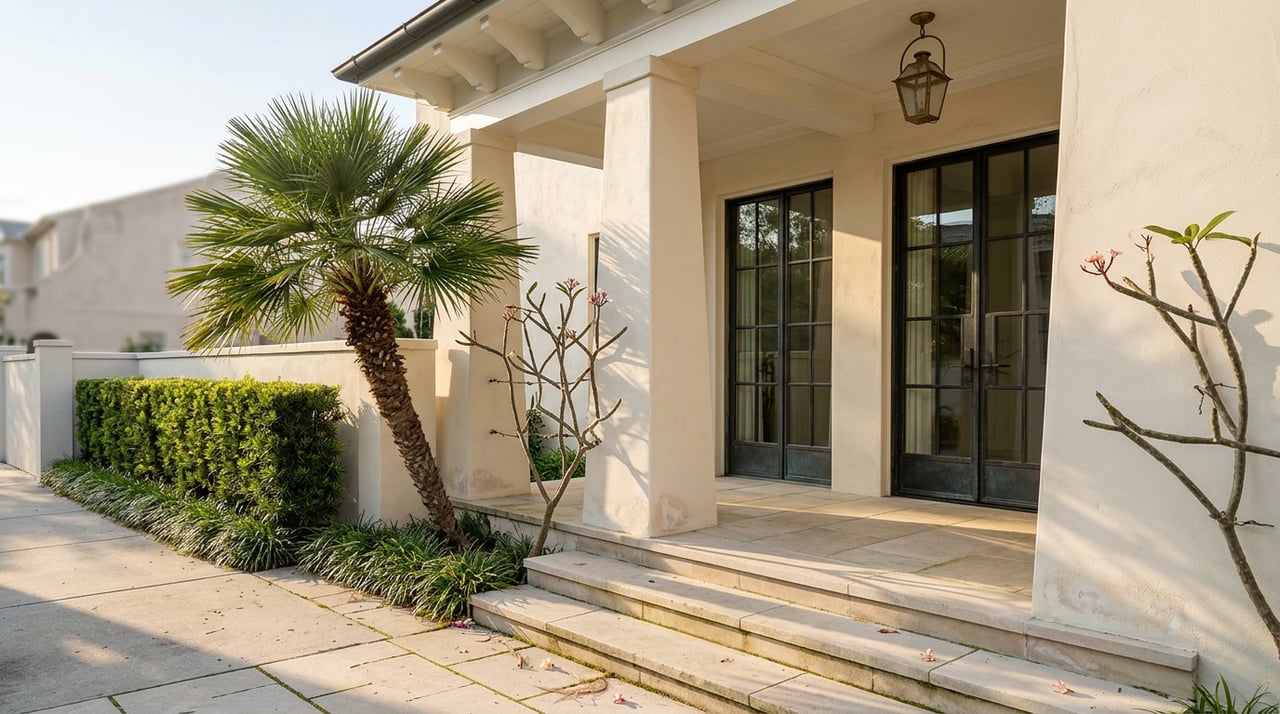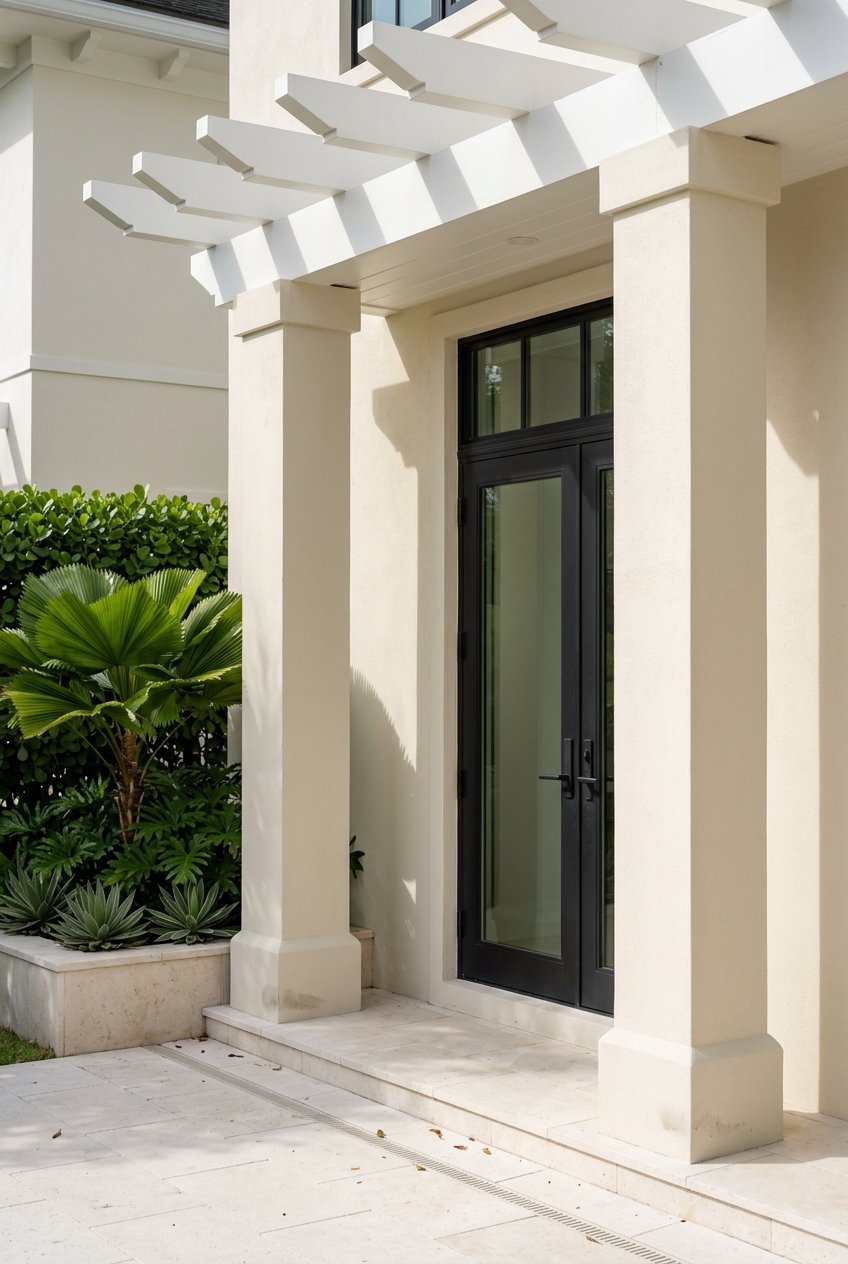
If you are building a high-spec project in Miami, choosing a general contractor is not just about finding someone who can manage labor and materials. In Miami-Dade, your contractor also has to navigate a layered permitting map, coordinate inspections before work is concealed, and keep flood, product-approval, and closeout requirements moving in step with the build. For boutique developers, that means the right GC becomes a risk-management partner as much as a builder. Let’s dive in.
Miami Is Not a Generic GC Market
Miami-Dade operates differently from many other construction markets in Florida. The county includes 35 municipalities, each with its own building official, while properties in unincorporated areas follow county permitting. That means your project path can change significantly based on the site, even before construction begins.
For boutique developers, this matters because permitting is not a single checkpoint. Miami-Dade requires permits for construction, alterations, and mechanical, electrical, and plumbing work, and plan review checks compliance with the Florida Building Code, Miami-Dade County Code, and any applicable municipal rules. A GC who understands that local map can help you avoid treating design, permitting, and construction as separate silos.
Jurisdiction Knowledge Saves Time
A strong Miami general contractor should know which authority controls your site and what that means for approvals, submittals, and inspection flow. In a county where municipal and county processes can differ, that local familiarity helps reduce preventable delays and confusion.
This is especially important for developers managing investor expectations or tight delivery windows. If your GC has to learn the jurisdictional process after the drawings are done, the schedule is already under pressure.
Preconstruction Should Reduce Surprises
For boutique developers, preconstruction is where much of the real value starts. In Miami-Dade, permit review can involve building, zoning, fire, environmental, public works, and sewer-capacity considerations. That makes early scope clarity and budget discipline more important than they might be in a simpler market.
You want a GC who can translate design intent into permit-ready scope before pricing gaps become change orders. That includes identifying allowances, flagging contingencies, and keeping cost decisions visible while there is still time to act on them.
What Good Preconstruction Looks Like
A capable GC should help you:
- align drawings and scope with local permit expectations
- identify cost drivers early
- track allowances and contingencies clearly
- evaluate value-engineering options without losing design intent
- build a realistic path from design to permit to construction
For high-end residential or selective mid-rise work, that discipline protects both design quality and financial control. It also creates a cleaner reporting structure for partners or investors who want visibility into cost-to-complete.
Schedule Control Must Include Permitting and Inspections
In Miami, a construction schedule is not just a sequence of trades. It also has to account for permit review, inspection timing, and closeout requirements. Miami-Dade inspections must occur before any part of the work is covered, which means field coordination has to stay tightly aligned with the approved documents.
The county allows inspections to be scheduled one business day in advance and supports both virtual and onsite inspections. It also allows private-provider plan review and inspections for certain disciplines, although zoning, fire, and other nondelegated reviews still remain in the process. A good GC knows how to use these options strategically without losing control of the larger approval path.
Why Sequencing Matters More in Miami
When inspections are missed or work moves ahead too early, the cost is not just time. It can mean opening completed work, revising documentation, or re-coordinating multiple trades at once. On a boutique development project with premium finishes, those setbacks can ripple quickly through budget and delivery.
For more complex work, threshold and special inspections add another layer. Your GC should be able to keep inspection logs, shop drawings, trade sign-offs, and permit milestones aligned so the schedule reflects the actual local process, not a generic template.
Flood and Site Conditions Need Early Attention
Miami-Dade is especially vulnerable to flooding from major rain events and storm surge, and much of the county sits near sea level with a shallow underground water table. Because of that, floodplain review is part of the permit process, and flood elevation certificates are required for all new construction and substantial improvements.
If your site is waterfront or canal-adjacent, the review path may become more complex. Separate environmental permits can also apply to tidal waters, coastal wetlands, and non-tidal canals. For a boutique developer, this is another reason to choose a GC who understands local site realities before the job reaches the field.
Waterfront Work Requires More Than Build Experience
A beautiful finished product is only one part of success on a South Florida waterfront site. Your contractor also needs to understand how foundations, envelope decisions, site logistics, and permit coordination interact under local rules.
That kind of experience can help reduce friction between design ambition and regulatory reality. It also gives you a better chance of keeping the project moving without avoidable rework.
Product Approvals and Envelope Accuracy Matter
Miami-Dade places strong emphasis on code compliance for the building envelope and exterior systems. The county maintains a Product Control Section focused on items such as windows, exterior glazing, wall cladding, roofing, exterior doors, skylights, glass block, siding, and shutters.
For windows and doors in particular, the approval system requires product numbers, current Notices of Acceptance, and pressure-rating information. In practical terms, that means your GC needs to do more than order attractive materials. The contractor must coordinate approved products accurately and make sure field installation matches the permitted intent.
Finish Quality Includes Compliance
In a high-end build, finish quality is often judged by what you can see. In Miami-Dade, it is also shaped by what is behind the walls and within the approved documents. Since inspections must happen before work is concealed, craftsmanship and compliance are closely linked.
That is why product substitutions, shop drawing review, and envelope coordination deserve close attention. A boutique developer should expect a GC who protects design integrity while also managing the technical requirements that keep the project approved and buildable.
Trade Relationships Should Be Stable and Verified
Florida requires a construction business to be qualified by a properly licensed individual contractor, and the state says contractors should be verified by license number and business entity. For a boutique developer, that is the baseline, not the finish line.
What you really need is a GC with a stable network of specialty trades that already understands Miami-Dade product approvals, inspection expectations, and local construction sequencing. In a market with demanding approvals and premium finish standards, trade coordination affects quality, speed, and predictability.
The Right Network Supports Better Execution
Reliable trade partners can help reduce mistakes in submittals, field installation, and inspection preparation. They are also more likely to understand the level of documentation and communication that boutique development work requires.
This matters even more on architect-led or design-sensitive projects. A trusted trade network can help preserve detailing, improve site coordination, and support smoother closeout.
Reporting Protects Investor Confidence
For boutique developers, reporting is not just a back-office function. It is part of project control. Florida’s construction lien framework allows unpaid subcontractors and suppliers to pursue liens even if the owner has already paid the GC in full, which makes lien-waiver tracking an important layer of risk management.
At the same time, Miami-Dade’s owner-builder disclosure makes clear that the owner-builder becomes the responsible party of record. That helps explain why many developers and owners prefer a licensed GC to carry the permit and manage the process.
What Reporting Should Include
A strong GC should provide a reporting cadence that makes the project easy to verify. For many boutique developers, the most useful reporting includes:
- monthly cost reports
- change-order logs
- cost-to-complete visibility
- release and lien-waiver tracking
- clear closeout status updates
When reporting is disciplined, it supports better decisions and reduces uncertainty for owners, partners, and investors. It also reflects the construction-manager mindset that complex Miami projects usually need.
Documentation Discipline Matters at Closeout
Miami-Dade requires approved stamped plans and the permit card to be on site, and inspections must take place before any work is concealed. That level of documentation discipline should carry through the entire project, all the way to final closeout.
For renovation work on older buildings, this becomes even more important. Miami-Dade’s current recertification program applies at 30 years for inland buildings and 25 years for coastal buildings, then every 10 years after that. Even if your project is design-driven, records and technical documentation still matter.
Closeout Should Not Be an Afterthought
A well-run closeout process helps protect the value of the asset after construction ends. It also gives you cleaner documentation for operations, future maintenance, and any later capital decisions.
For boutique developers, that means your GC should treat closeout as part of delivery, not as a final scramble. The most useful contractor is one who can manage paperwork with the same care used to manage finishes and field execution.
What Boutique Developers Should Look For
In Miami, the best GC for a boutique developer is rarely just the lowest bidder or the one with the most polished presentation. You need a partner who understands the jurisdictional map, can manage preconstruction in a disciplined way, coordinates inspections and product approvals carefully, and reports with clarity.
You also want a builder who respects design while staying realistic about code, sequence, and site conditions. In a market shaped by flood exposure, local permitting layers, and detailed approval requirements, technical rigor and craftsmanship have to work together.
For developers pursuing architecturally distinct homes, complex renovations, waterfront builds, or selective mid-rise work, that combination can make the difference between a stressful process and a well-managed one. If you want a partner with deep South Florida experience, transparent reporting, and a construction-management approach to high-finish projects, Jomed Construction can help you plan and deliver with confidence.
FAQs
What should boutique developers expect from a Miami general contractor?
- You should expect local permitting knowledge, disciplined preconstruction, inspection coordination, transparent reporting, trade management, and strong closeout documentation.
Why is Miami-Dade permitting more complex for development projects?
- Miami-Dade includes 35 municipalities with separate building officials, while unincorporated properties follow county permitting, so the approval path depends on the project location.
How important is flood review for Miami construction projects?
- It is very important because Miami-Dade includes floodplain review in the permit process, requires flood elevation certificates for new construction and substantial improvements, and may require added environmental permits for some waterfront or canal-adjacent sites.
What makes finish quality different in Miami-Dade projects?
- In Miami-Dade, finish quality is tied to both visible craftsmanship and compliance with approved plans, product approvals, pressure ratings, and inspection requirements before work is concealed.
Why do boutique developers need detailed construction reporting?
- Detailed reporting helps you track budget changes, cost-to-complete, lien-waiver status, and closeout progress, which supports stronger financial control and investor confidence.
Should a boutique developer use an owner-builder permit in Miami-Dade?
- Miami-Dade allows owner-builder permits, but the owner becomes the responsible party of record, which is one reason many developers choose a licensed GC to carry the permit and manage the process.